The facts
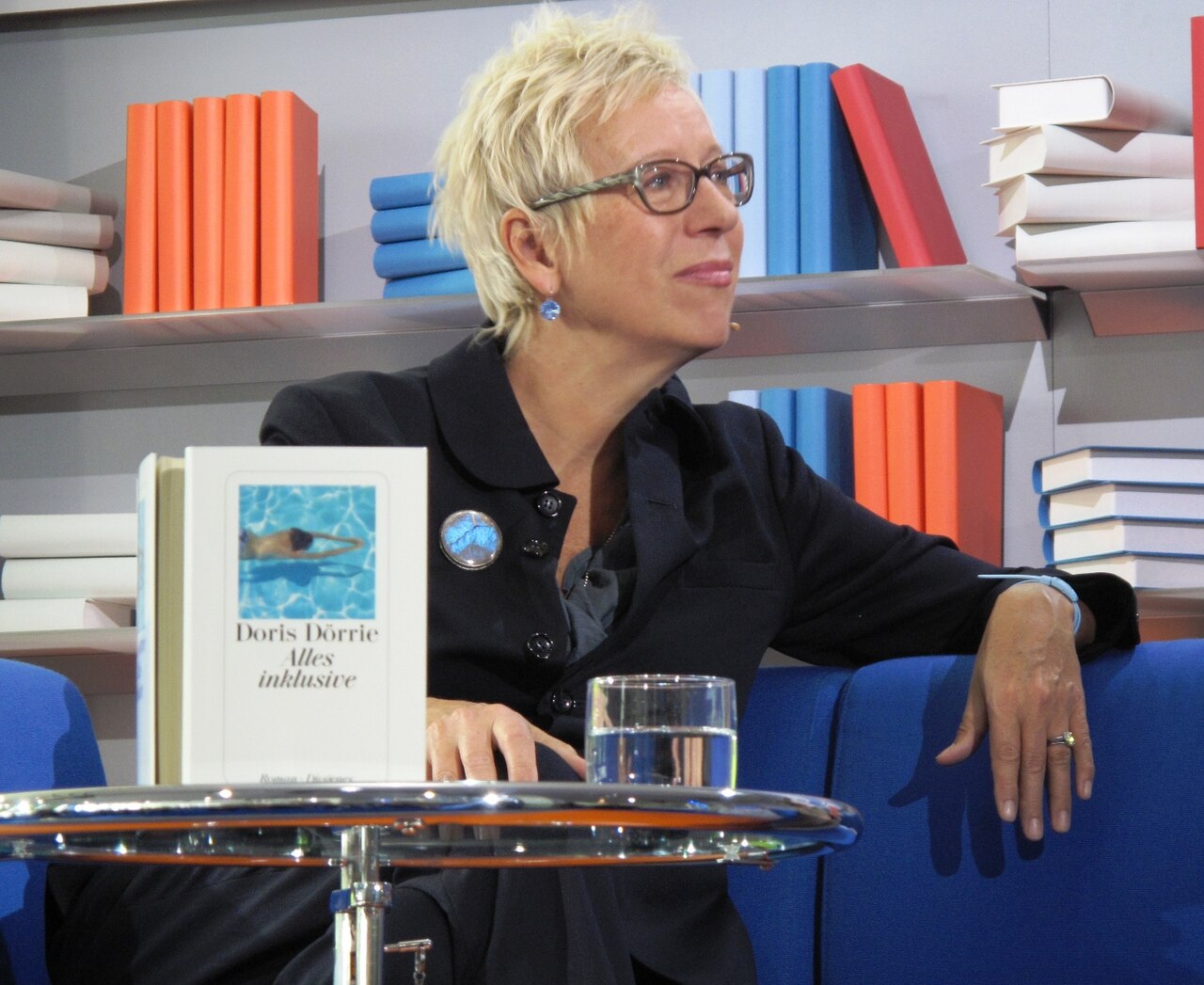
Filmmaker Doris Dörrie’s latest film, Frau Winkler verlässt das Haus (“Mrs Winkler Leaves the House”), is set in a speculative near‑future Hamburg where robots appear in everyday scenes – delivering parcels, serving cafés and even walking dogs. The plot follows an elderly woman who, after a fall, is offered a care robot named Pavlovich that includes an “End‑of‑Life” (EOL) mode. The robot can provide assisted dying only when the person explicitly requests it and meets medical criteria. Dörrie told DW that the film explores aging societies, the right to die, and the mother‑daughter dynamic, while also questioning AI’s role in care. She stresses she is not demonising AI but urging regulation, likening the need for oversight to past nuclear‑arms discussions. The film mixes dark humor with philosophical musings about what makes us human, such as the uniquely human capacity to play.
Our take
Well, shit. Doris Dörrie has taken our crumbling, understaffed elder‑care system and turned it into a techno‑dystopia where the real drama isn’t neglect or loneliness but whether the god‑damn robot can legally pull the plug. In her new film, a Hamburg that feels like a sci‑fi commercial – robots delivering parcels, serving coffee, walking dogs – becomes the backdrop for a mother‑daughter showdown over a care bot with an “End‑of‑Life” switch. The robot, Pavlovich, only activates that mode when the patient explicitly wishes it and meets medical standards, but the very existence of such a feature makes you wonder who’s really in charge: the human or the code. Dörrie says she isn’t out to demonise AI, yet she piles on a nuclear‑weapons analogy, as if regulating robo‑euthanasia is the next arms‑control treaty. That’s a bold, if absurd, comparison, but it does highlight how quickly we’re willing to outsource life‑and‑death decisions to machines. The film’s dark humor lands when a care adviser pitches the EOL option as a simple add‑on, like choosing a new kitchen appliance. Meanwhile, the robot’s ability to help the protagonist rediscover zest for life underscores a paradox – the same machine that could end you also nudges you back into the world. Dörrie’s point about the uniquely human capacity to play feels oddly poignant: even if a robot can end you, it can’t join you for a game of solitaire on your own corpse. The takeaway? We need to talk seriously about AI regulation before we start handing out death switches as a convenience feature. The film forces us to ask whether we’re comfortable letting an algorithm decide the value of a human life, and whether the line between assistance and execution is as thin as a software update. In short, it’s a grimly funny, unsettling mirror held up to a society that’s already flirting with the idea of outsourcing compassion to code.