The facts
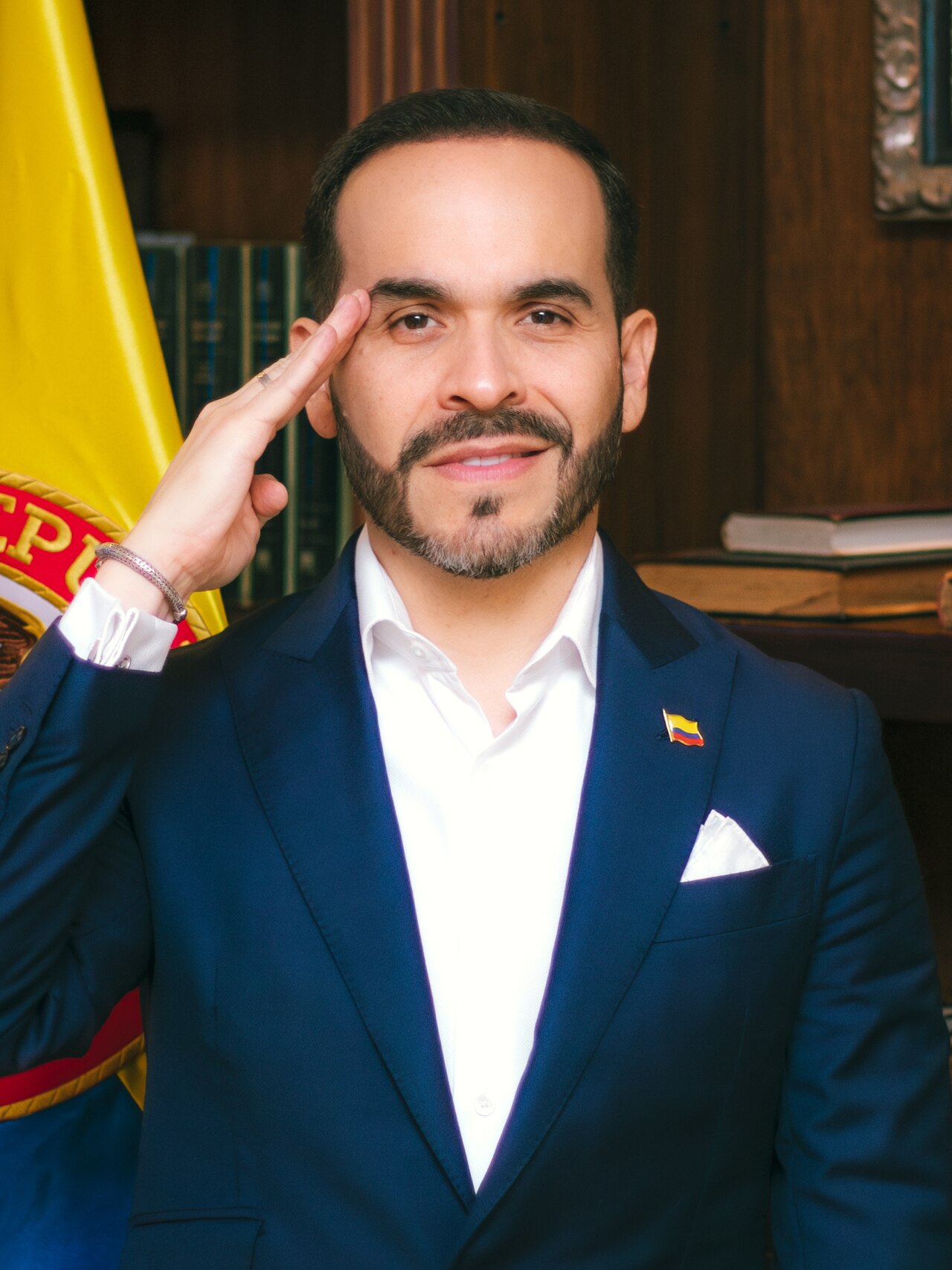
Bogotá judge Cesar Enrique Osorio ordered Colombia’s government to keep more than 30 artifacts removed from the National Museum last week and to halt any further removals while the court reviews whether they should return to public display. Osorio warned that the rights of Colombians to free expression and historical memory could be jeopardized by the purge. The seized items include a copy of the first LGBTQ+ magazine published in Colombia and a poster of Carlos Pizarro, a former M‑19 guerrilla who later ran for president. Critics say President Abelardo de la Espriella is trying to reshape museum narratives, targeting leftist movements and sexual minorities. De la Espriella described the effort as a cultural battle against “wokeism,” arguing museums should not elevate guerrilla figures to national‑hero status.
Our take
President Abelardo de la Espriella, whose cultural agenda seems to have been drafted on a reaction‑fuelled Twitter feed, just got a judicial smack‑down. His plan to scrub the National Museum of anything that might make a hard‑right heart melt – a poster of a former guerrilla‑turned‑politician and the nation’s first queer magazine – was temporarily halted by Judge Cesar Enrique Osorio. Osorio’s ruling, a rare moment of judicial sanity, warned that arbitrarily erasing history threatens free expression and collective memory. De la Espriella calls his own policy a cultural battle against “wokeism,” but the language sounds more like a petty crusade than a genuine defence of heritage. It’s the intellectual equivalent of a toddler hoarding only the red candies and tossing the rest on the floor. He wants museums to serve as trophy cases for his sanitized worldview, not as spaces that present the messy, contradictory tapestry of Colombia’s past. The court’s order to preserve the over‑thirty items isn’t a triumph; it’s a stark indictment of a government that treats historical documents as political enemies. Protecting a queer magazine from a state‑sanctioned purge shouldn’t need a fucking court order, yet here we are. The judiciary is now forced to act as a parent confiscating a dangerous toy, stepping in to stop a small, scared man from shrinking the nation’s memory to fit his comfort zone. For now, the artifacts are safe from the president’s revisionist fingers, but the episode reveals how fragile cultural memory can be when leaders view history as a battlefield rather than a shared inheritance.