The facts
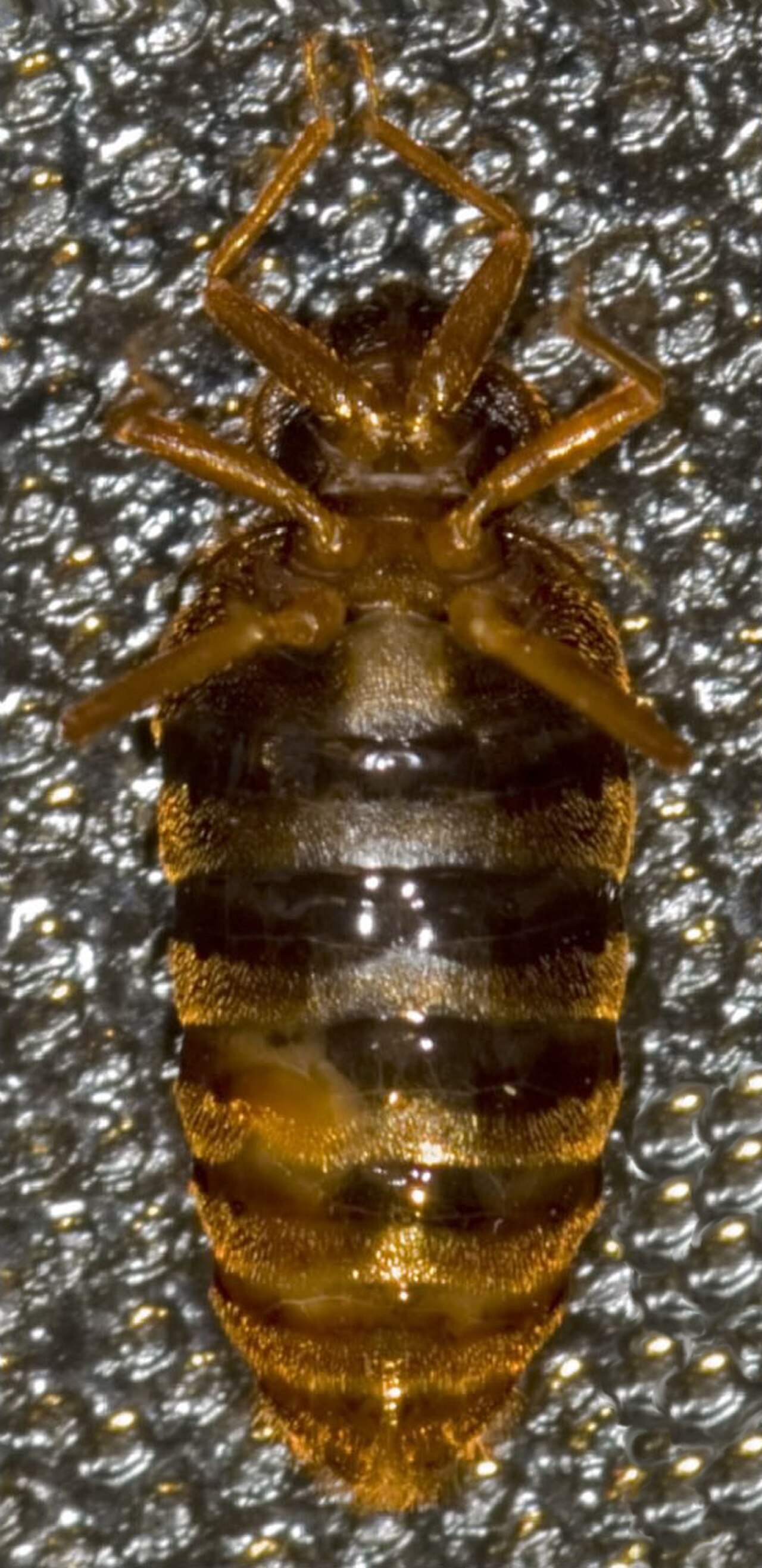
Dr. Richard Naylor, an entomologist, has been sleeping with bedbugs for five years as part of his research. He breeds roughly 50‑60 000 bedbugs in a self‑contained two‑bedroom laboratory in his garden at the Forest of Dean, Gloucestershire. On feeding days – about twice a week – he straps a handful of bugs to his arm and lets them feed before sleeping in a test bedroom to evaluate new sprays, repellents and devices. Naylor says the bites no longer bother him beyond a brief red patch that fades in half an hour. He runs the not‑for‑profit Bed Bug Foundation, which supplies bugs to canine detection teams and businesses testing products. He warns that bedbugs have become resistant to many insecticides and can cause lasting psychological effects, even PTSD‑like symptoms, and advises anyone suspecting an infestation to contact a professional and look for inky black spots left by the insects.
Our take
What the actual hell is going on here, Richard? You’ve spent five years turning your own skin into a blood‑sucking buffet for tens of thousands of bugs, all because you need a live host to see if a new spray works. That’s not dedication, it’s a twisted form of masochism wrapped in a lab coat. You’ve built a miniature metropolis of bedbugs in a garden shed and then invited them to feast on you night after night – a real‑life horror‑movie set that you call research. The bites don’t bother you, you say, but the fact that you’ve become desensitized to millions of bites is a red flag, not a badge of honor. Your not‑for‑profit, the Bed Bug Foundation, does a public‑service job sending bugs to sniff‑out infestations and helping companies test products, yet you’ve turned yourself into the ultimate test subject. Bedbugs are notoriously resistant to modern insecticides and can trigger severe psychological distress; you’ve basically volunteered to experience that on a daily basis. The advice you give – look for inky black spots, declutter, vacuum – is solid, but it’s hard to take seriously when the man delivering it smells like a bug‑infested mattress. This whole operation feels less like rigorous science and more like a personal vendetta against comfort. If you wanted to prove a point, there are safer ways than becoming a living, breathing petri dish for a pest that most people dread. In the end, the only thing you’ve truly demonstrated is that some scientists will go to absurd lengths, even becoming the prey, to keep their niche alive. Fucking insane, but oddly admirable in its sheer commitment.