The facts
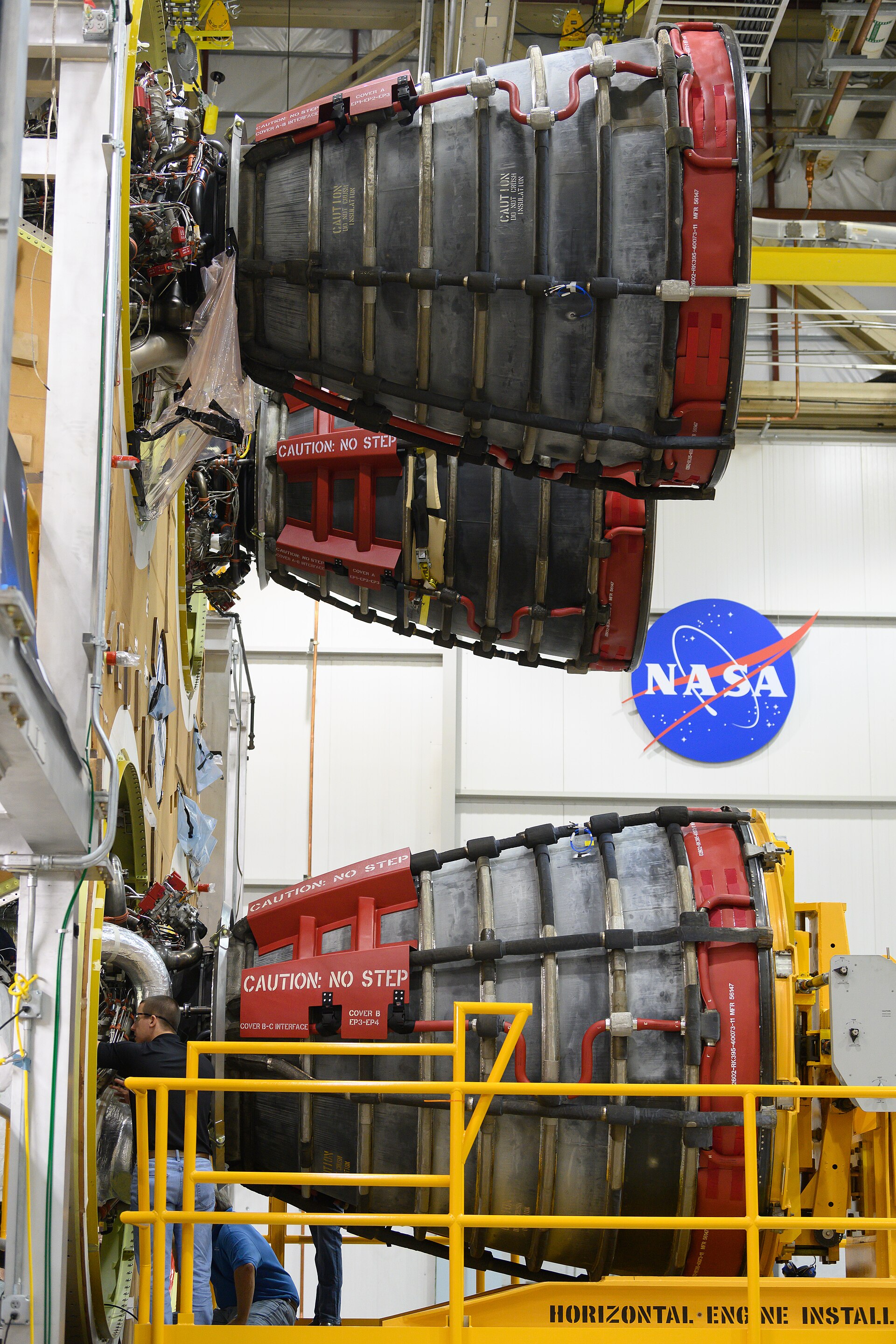
On October 21, 2026, teams at NASA’s Stennis Space Center near Bay St. Louis, Mississippi, performed a hot‑fire test of RS‑25 engine No. 10001. The test ran for 500 seconds – the same length an RS‑25 fires during a Space Launch System (SLS) launch – and reached a 111 % power level. Each Artemis mission uses four RS‑25 engines that together can produce up to 2 million pounds of thrust. This particular engine is a developmental unit that will not fly; the test is intended to capture data for NASA and its prime engine contractor, L3Harris Technologies, to improve engine performance and reliability. All RS‑25 engines are verified for flightworthiness at Stennis before any flight use.
Our take
Here we go again. The geniuses at Stennis spent a workday lighting a multi‑million‑dollar cigar they have no intention of ever smoking. They strapped RS‑25 engine number 10001 – a relic from the Space Shuttle era – to a stand and let it spew liquid fire into a Mississippi swamp for exactly 500 seconds. Why 500 seconds? Because that’s how long the engine runs when it actually launches a rocket. This bench‑warmers’ sole purpose is to prove to a room of L3Harris engineers that the needle hit 111 % – a metric that sounds impressive but is essentially a brag‑point for funding continuity. Four of these engines, when paired, can deliver two million pounds of thrust for Artemis missions, yet this single unit will never see space. Its test is a data‑gathering exercise, not a flight‑ready demonstration. The real product of the test is a stack of invoices and a press release that lets NASA and its contractor claim progress while the taxpayer foots the bill. The whole affair feels less like rocket science and more like a bureaucratic circle‑jerk with better acoustics. The only thing truly launched from Stennis today is another line item in a budget, and the only thing reaching 111 % is the audacity of a program that keeps recycling old hardware for the sake of paperwork. Absolute cunts.