The facts
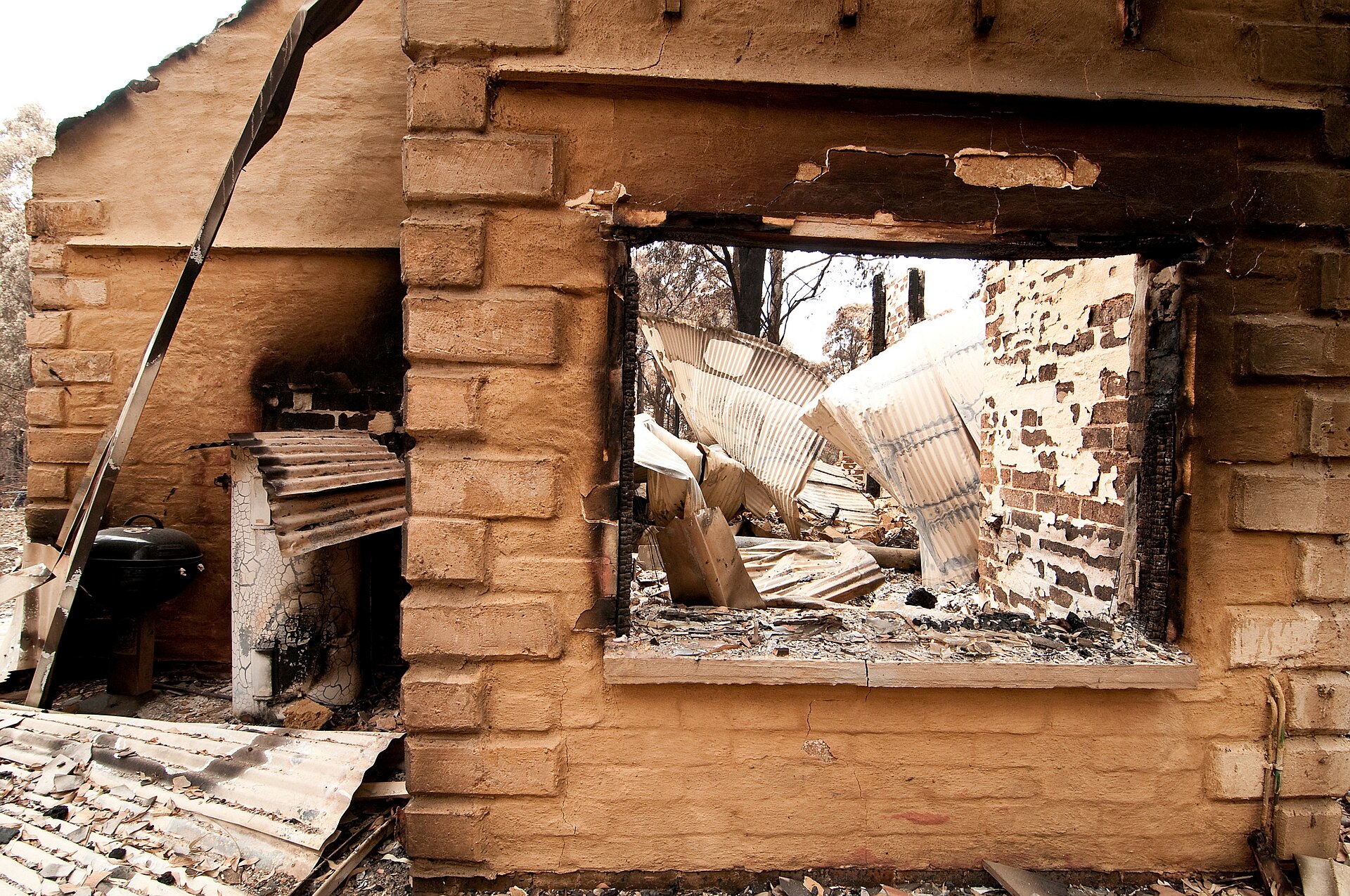
Research published in the International Journal of Wildland Fire indicates that 94% of the 2,475 homes lost in New South Wales during the 2019-20 Black Summer bushfires were located less than 100 metres from flammable vegetation. This finding supports the current 100-meter buffer zone used by authorities to identify properties at high risk. Associate Professor Owen Price from the University of Wollongong, who led the study, stated that the 100-meter rule is "pretty good" for identifying buildings at risk. However, the research also analyzed fire danger ratings on the days homes were lost, revealing that when conditions reached extreme or catastrophic levels, houses further than 100 meters were also affected. Price warned that this is a significant concern as global heating is expected to worsen fire conditions. The NSW Rural Fire Service acknowledged the findings, with Melissa O’Halloran noting that homes in bushfire-prone areas should be built to higher construction standards. The service is reviewing its policies to account for increasing climate risks, including extreme pyroconvective fires. Insp. James Morris of the NSW Rural Fire Service highlighted heightened fire risks for the current year in several parts of the state, urging residents to prepare.
Our take
You have to hand it to the brilliant minds at the University of Wollongong. They spent who knows how much grant money and countless hours of peer-reviewed analysis to discover a scientific truth so profound it could be scrawled in crayon by a toddler: if you build your fucking house in the middle of a forest, it might catch on fire. The groundbreaking revelation? A staggering 94 percent of the homes turned to ash during the Black Summer infernos were within a hundred metres of something that burns. No shit. This is like a team of marine biologists publishing a paper confirming that fish get wet. Associate Professor Owen Price, the visionary behind this study, looked at this mountain of charred evidence and declared the existing 100-metre buffer rule "pretty good." That's the kind of rigorous, forward-thinking science that keeps us all safe, folks. A solid 'pretty good' for a rule that, by the study's own admission, starts to fall apart the second the fire danger rating ticks past 'extreme' into 'catastrophic.' Which, thanks to the global heating we've spent decades pissing into the wind about, is becoming the new normal. So congratulations, the rule is 'pretty good' for identifying the houses that are already obvious fucking goners, while the changing climate ensures the flames will just laugh and skip merrily past that arbitrary line to toast the ones we thought were safe. The NSW Rural Fire Service, ever the bastion of proactive thought, 'acknowledged the findings.' They're 'reviewing policies.' Insp. James Morris is out there urging residents to prepare, which is bureaucratic code for 'you're on your own, cunts.' Melissa O'Halloran chimes in with the galaxy-brain take that maybe homes in bushfire zones should be built better. No kidding? Maybe we shouldn't be approving fucking timber-and-dreams McMansions in the middle of kindling forests in the first place. This whole circus is a masterclass in stating the bleeding obvious while the world burns around the edges of your meticulously measured buffer zone. It's the scientific equivalent of pointing at a house engulfed in flames and saying, 'See that vegetation right there? That appears to be a contributing factor.' The only thing more flammable than the Australian bush is the bullshit coming from institutions that treat a climate catastrophe like a minor zoning variance.