The facts
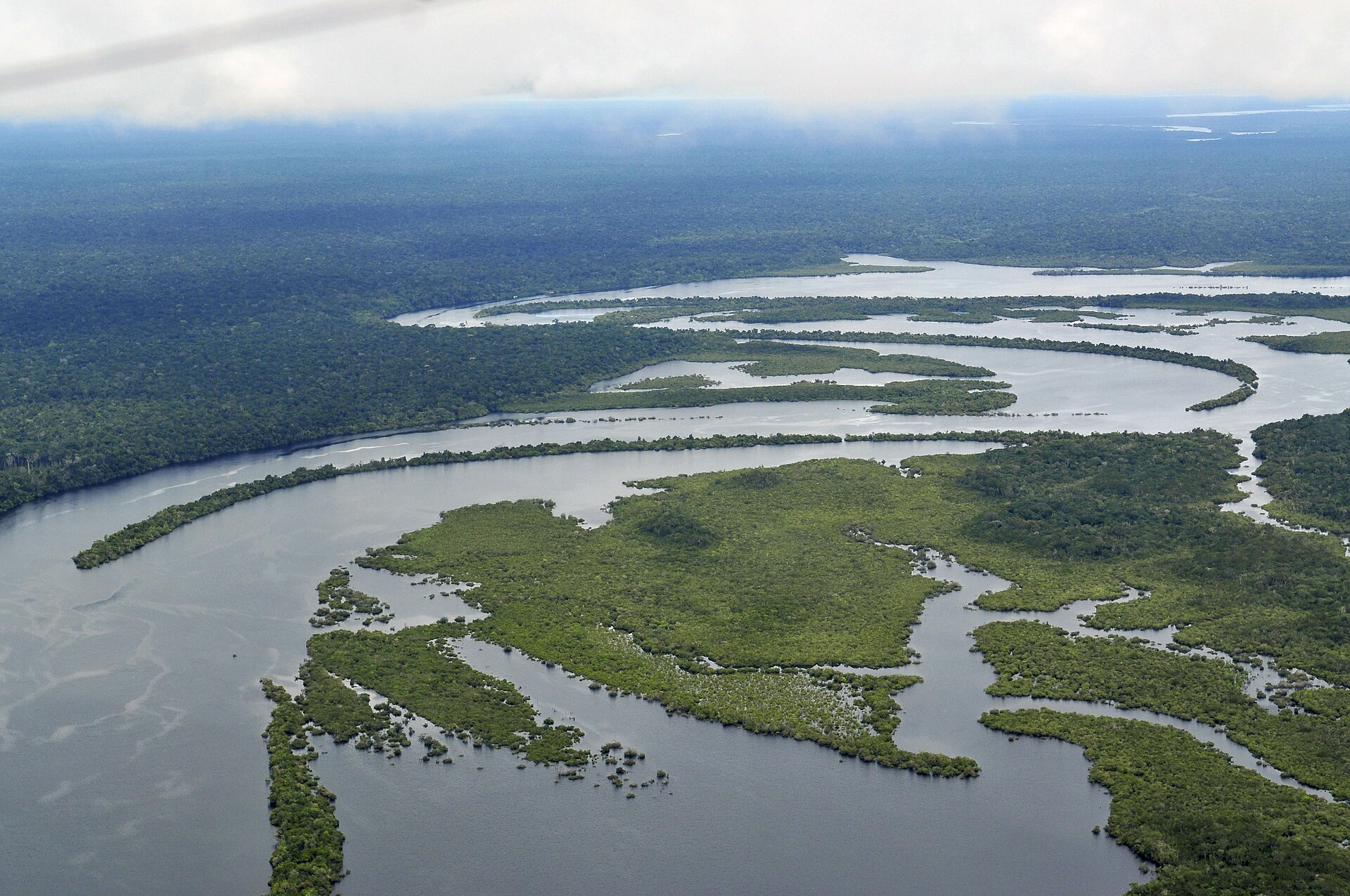
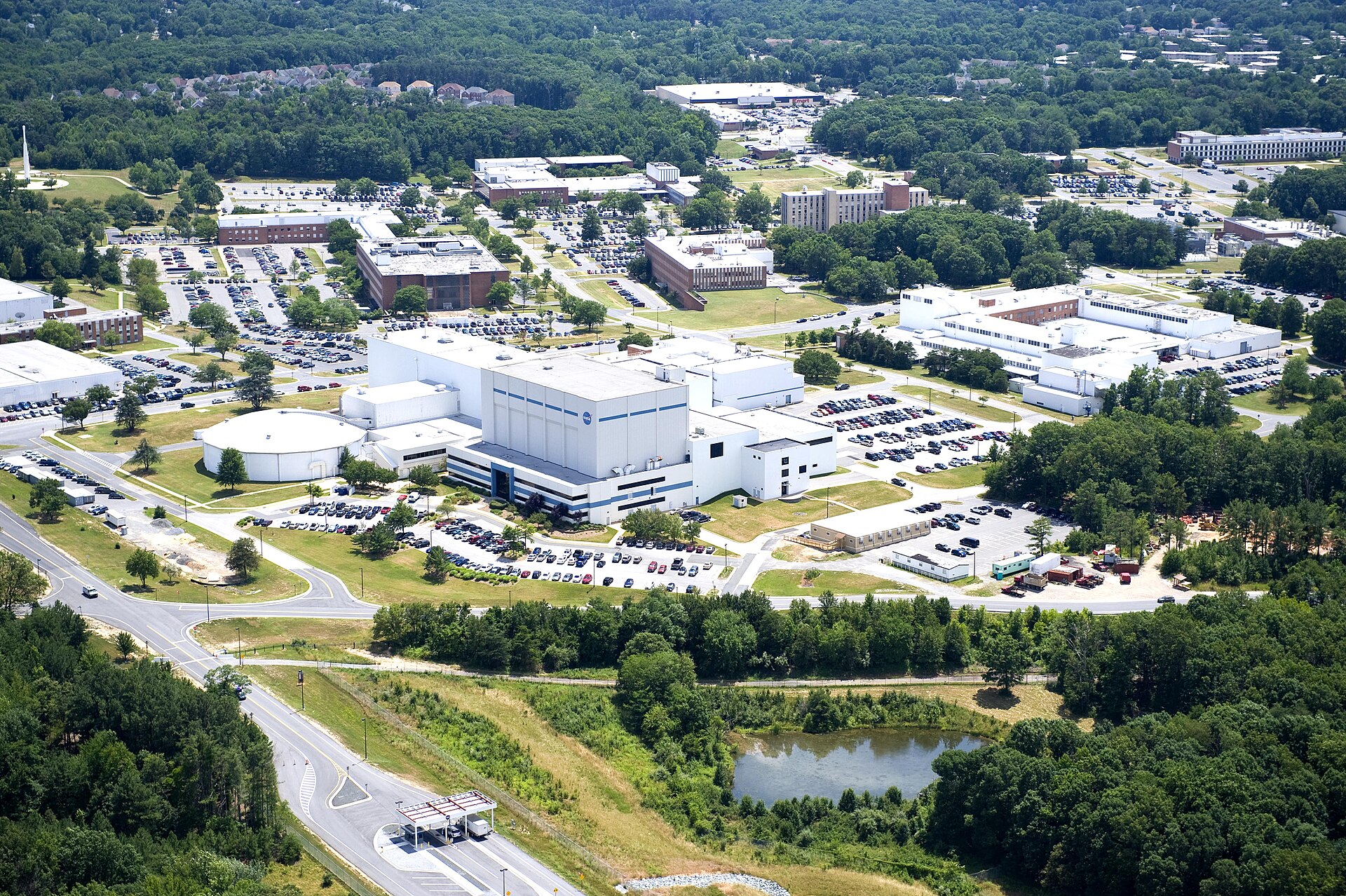
NASA’s Earth Observatory used more than 20 years of GRACE and GRACE‑FO satellite gravity measurements to map terrestrial water storage from April 2002 to November 2025. The analysis identified 40 regions where changes in storage align with human actions such as irrigation, reservoir impoundment and land‑use change, a pattern that appears on every non‑polar continent except Australia. In four continental regions - including California’s Central Valley and northern India - an anthropogenic variable showed a stronger statistical relationship with storage trends than any climate variable, according to lead author Mary Michael O’Neill, a hydrologist at NASA’s Goddard Space Flight Center. The study also noted water‑storage gains in parts of sub‑Saharan Africa and northern Brazil where rain‑fed cropland has expanded, and highlighted the Karakum Canal in Turkmenistan as a driver of desert water‑storage increases.
Our take
Alright, strap in, because NASA’s two‑decade‑long satellite marathon just handed us a brutally honest report card on how we’re messing with the planet’s plumbing. The data don’t say we’re the *sole* force moving water worldwide, but they do spell out that in dozens of hotspots our farms, dams and canals are out‑competing the weather. In California’s Central Valley and northern India, groundwater pumps are sucking the life out of aquifers faster than climate cycles can refill them – a classic case of drill, baby, drill gone horribly wrong. Meanwhile, in parts of sub‑Saharan Africa and Brazil, the switch to rain‑fed crops has actually nudged water tables upward, showing that not every human footprint is a scar; some are oddly beneficial, albeit unintentionally. The Karakum Canal in Turkmenistan is a perfect illustration of our grand‑scale engineering bravado: a massive water‑diversion project that’s turning desert sand into a soggy fucking mess, all captured by the same gravity‑sensing satellites that watch the oceans rise and fall. What’s infuriating is the sheer scale of these interventions – 40 distinct regions where our fingerprints are unmistakable – and the fact that we keep treating the Earth like a private backyard when it’s a closed system we all share. The study’s authors, especially O’Neill, stress that better temporal resolution could help us see how specific policies or drought events shift these trends in real time. Until we start treating water as a finite resource rather than an endless commodity, we’ll keep filling reservoirs in one place while draining them dry in another, essentially playing a global game of hydraulic Jenga. The planet’s water budget isn’t infinite, and the satellites are finally giving us the hard data we need to stop pretending otherwise. It’s time to quit the reckless water‑pumping party and start a real conversation about sustainable management before the next drought turns these “gains” into catastrophic losses.