The facts
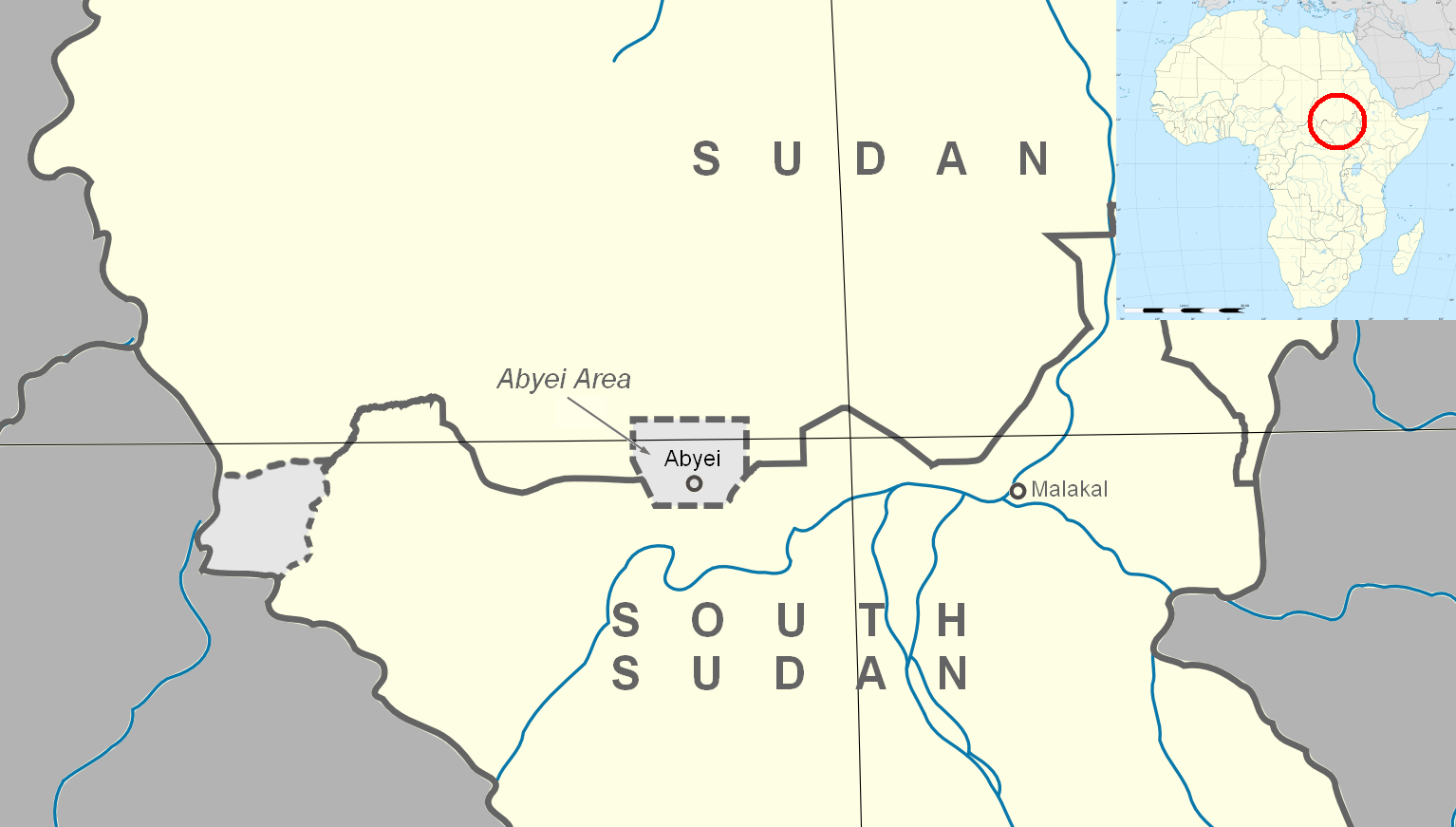
At least 26 people were killed and 82 others injured in days of intercommunal fighting in the disputed Abyei region on the Sudan‑South Sudan border, the United Nations reported on Thursday. The UN Interim Security Force for Abyei (UNISFA) said it had reinforced its security presence around Abyei town after the violence erupted at the Amiet Common Market following the separate killings of a Ngok Dinka man on Monday and a Misseriya man on Tuesday. The clashes involve the Ngok Dinka, the region’s permanent residents, and the Misseriya, Arab pastoralists from Sudan who migrate south during the dry season. Lieutenant General Ganesh Kumar Shreshta of UNISFA stressed the force’s priority is to prevent further loss of life and urged community leaders to embrace dialogue. UNISFA’s 3,000 police and soldiers are tasked with protecting civilians and deterring retaliation.
Our take
UNISFA’s latest “reinforcement” reads like bureaucratic bullshit‑spray, a glossy press release that masks the grim reality on the ground. They’ve added more blue‑helmets to a scene that already has 26 bodies and 82 wounded people, not some mythical 108‑person death toll. The market bloodbath started because a Ngok Dinka man was killed on Monday and a Misseriya man on Tuesday – a textbook case of tit‑for‑tat that spirals into a full‑blown vendetta. The UN’s 3,000‑strong “spectator squad” is less about protecting civilians and more about providing a sanitized backdrop for a tragedy that keeps replaying. Lieutenant General Shreshta’s call to “embrace dialogue” feels like a polite way of saying, We’ll watch you kill each other while we write reports. The Misseriya’s seasonal migration and the Ngok Dinka’s permanent settlement over grazing land and water points have been simmering for years, yet the international community treats Abyei like a group chat left on mute. The UN’s “measures” amount to a show of force that does little to stop retaliation; instead, they become witnesses to a cycle of violence that the world pretends to manage with statements and slogans. In the end, the only thing truly secured is the UN’s own relevance – a fragile façade that crumbles with each new casualty. Fuck the UN’s presence; it’s as useful as a screen door on a mass grave. The real solution lies beyond press releases, in genuine power‑sharing and resource agreements that the parties themselves must negotiate, not in a parade of helmets that merely document the carnage.