The facts
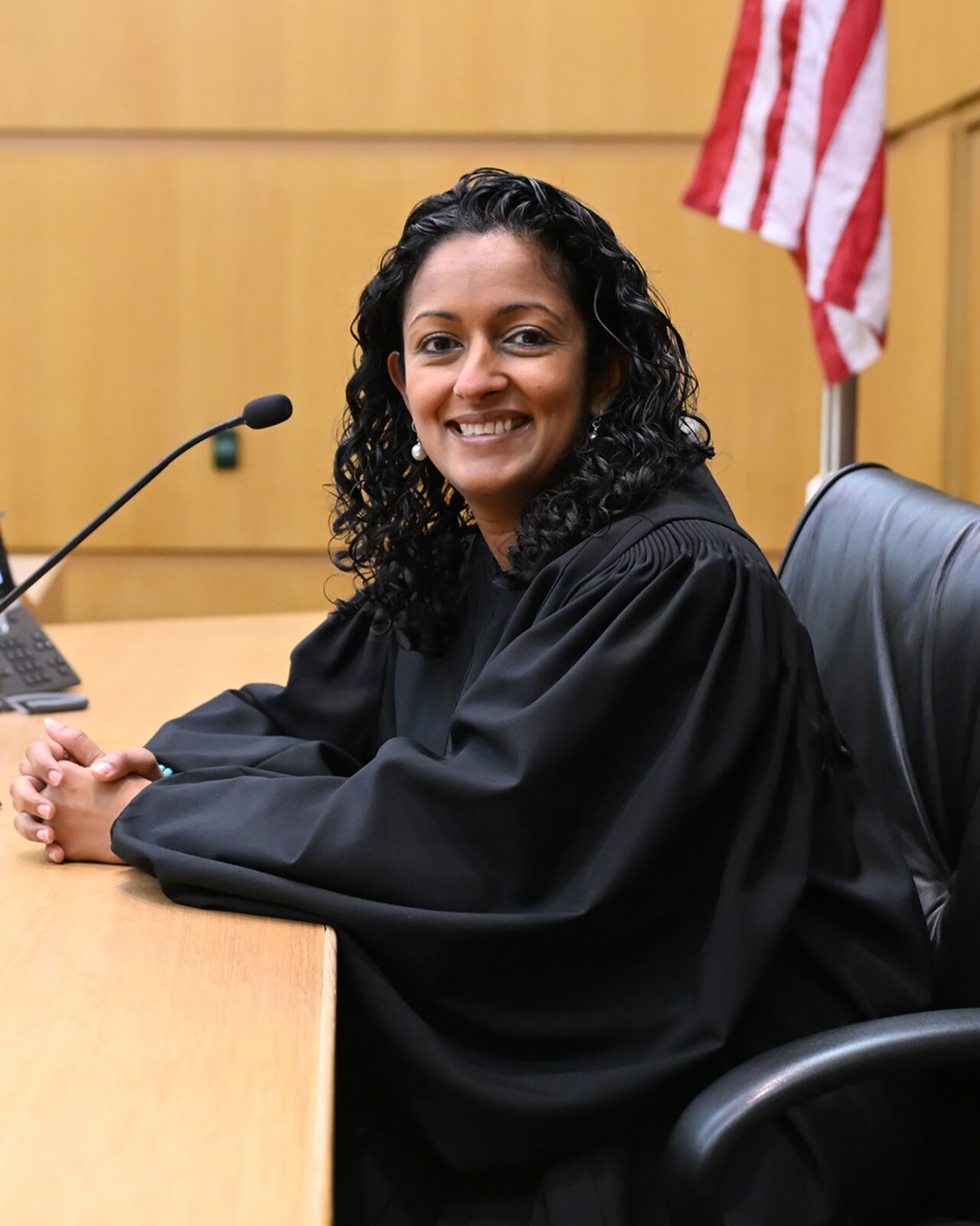
U.S. District Judge Sparkle L. Sooknanan has set aside and vacated the Justice Department’s “Voter List Maintenance Policy” under the Administrative Procedure Act, granting the plaintiffs’ motion for partial summary judgment in Common Cause v. U.S. Department of Justice. The plaintiffs, the voting-rights organization Common Cause and four individual voters, alleged that the Civil Rights Division had set out on a mission “antithetical to its purpose and history”: to remove voters from voter rolls across the country, including United States citizens.
The policy, as the opinion describes it, saw the current Civil Rights Division seeking unprecedented influence over states’ longstanding authorities to register eligible voters and maintain their voter rolls: demanding voter registration lists from all states, comparing those lists against a citizenship-status database “plagued with inaccuracies”, and urging states to remove voters the Division deemed ineligible. The policy, the plaintiffs contended, “left untold numbers of disenfranchised voters in its wake”.
The roots run to March 2025, when President Donald J. Trump signed an executive order on election administration, Exec. Order No. 14248, directing the Attorney General to “take all appropriate action to enter into information-sharing agreements” with state officials and to “prioritize enforcement of Federal election integrity laws” in states that refused to cooperate. To implement it, the Division launched what the administrative record calls the “list maintenance project”: requesting states’ unredacted voter rolls, disclosing the lists to other federal agencies, comparing them against a federal database to identify purportedly ineligible voters, and demanding that states remove voters based on the results. In May 2025 it began asking states for complete and unredacted computerized statewide voter registration lists, including voters’ full names, dates of birth, residential addresses, and driver’s license numbers or last four digits of Social Security numbers, while assuring states the data would be kept securely and treated consistently with the Privacy Act. The requests went to 49 states and the District of Columbia.
The Department insisted it had the statutory authority, citing the Civil Rights Act of 1960, the National Voter Registration Act, and the Help America Vote Act, laws meant to expand the Division’s voting-rights tools, as authorization to demand that states remove United States citizens from their rolls, claimed sources of authority that “raise eyebrows”. DOJ also suggested that every American citizen who registers to vote is the subject of a voter fraud investigation underway in the Civil Rights Division “simply because they registered to vote”, and it downplayed the risk of disenfranchisement “knowingly relying on an inaccurate database” to check voter eligibility.
The court held the policy unlawful four ways: the cited statutes do not authorize it; it is arbitrary and capricious under the Administrative Procedure Act; it violates the Privacy Act’s substantive and procedural protections (the opinion calls it a statute designed to ban federal data banks and preserve the American tradition of limited, transparent government); and it violates limits imposed by the Paperwork Reduction Act. “DOJ cannot run roughshod over longstanding laws that were carefully crafted to protect the rights of the American people.” The opinion says the policy represents the federal government’s attempt to “decide who gets to vote”, but Congress left that authority where the Constitution has always placed it: with the states. The court stressed the decision does not block lawful federal help for accurate rolls, does not stop states from maintaining their own rolls, and “does not pave the way for ineligible voters to vote in our elections”: it vacates “a policy that has removed United States citizens from the voter rolls in their home states and risks disenfranchising many more”.
Our take
The Civil Rights Division was once dubbed the “crown jewel” of the Justice Department: born under Eisenhower, forged in the fight against massive resistance to integration, its first mission defending the right to vote after Brown. The Trump DOJ turned it into the thing it was created to destroy: a machine for striking citizens off the rolls. The judge called that mission “anomalous”, which is judge-speak for what the actual fuck.
Then there are the lawyers’ arguments, made with straight faces in federal court: that the Civil Rights Act of 1960, the National Voter Registration Act, and the Help America Vote Act, voting-rights laws that somehow authorize purging American citizens from the rolls. That is citing the fire code to justify arson. And the backup theory is somehow worse: that every citizen who registers to vote is the subject of a fraud investigation “simply because they registered to vote”. In this Department of Justice, the act of registering to vote is treated as probable cause.
They also ran the whole purge off a database they knew was broken, “knowingly relying on an inaccurate database”. Read that again: they knew the spreadsheet was wrong and used it to delete voters anyway. That is not list maintenance. That is a woodchipper with a typo problem, fed by a division that once existed to stop exactly this kind of shit.
The court killed the policy four separate ways: no authority, arbitrary and capricious, Privacy Act, Paperwork Reduction Act. That is the judicial equivalent of shooting it, stabbing it, drowning it, and then salting the earth. “DOJ cannot run roughshod over longstanding laws that were carefully crafted to protect the rights of the American people.” Somewhere, the lawyers who built the Division in 1957 are spinning in their graves fast enough to power the building.