The facts
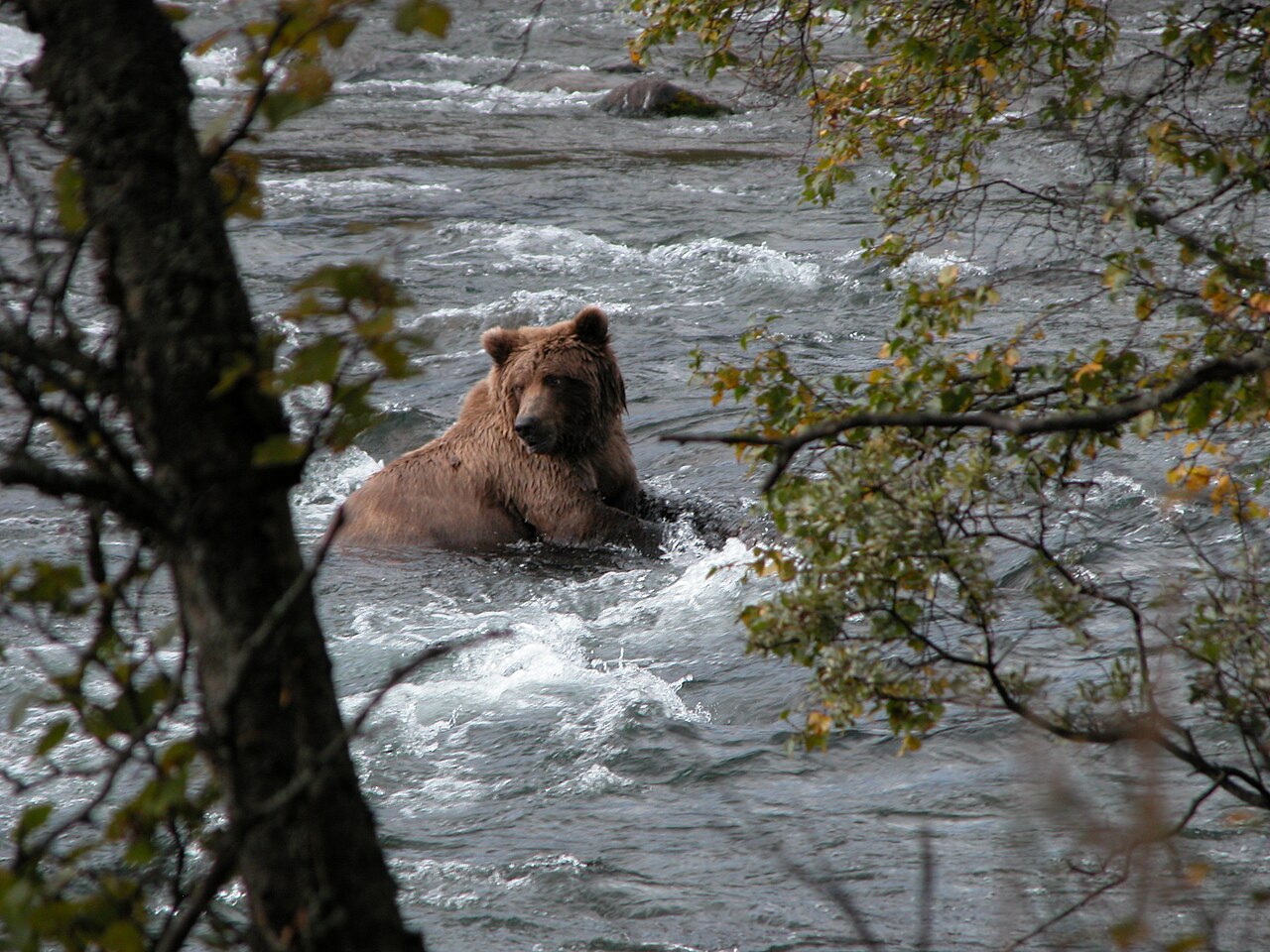
On Monday, October 19, 2026, the National Park Service (NPS) published a final rule in the Federal Register (FR Doc 2026‑21299) titled “Alaska; Wildlife, Harvest, and Access.” The rule amends 36 CFR Part 13 to restore the regulatory framework originally adopted under the Alaska National Interest Lands Conservation Act of 1980 (ANILCA) and to remove changes made in 2015, 2017, and 2024. Section II, headed “Harvesting Bears Over Bait - Restrictions Removed for All Users,” states that the NPS is reversing the earlier prohibitions on baiting bears. The agency estimates that no more than ten bears per year - approximately two black bears and up to eight brown bears - will be harvested over bait across all national preserves. State regulations that remain in effect require hunters to obtain permits, maintain minimum setbacks from roads, trails, dwellings, and public facilities, register bait stations with the State, and complete a bear‑baiting clinic (5 AAC 92.044). The rule cites a district‑court decision from 2022 confirming that bear baiting does not violate NPS statutory duties and notes that the Alaska Board of Game has said baiting tends to focus harvest on mature bears while avoiding females and juveniles. The NPS also removed a 2017 prohibition on collecting live raptor chicks, restoring the pre‑2017 framework that defers to state and U.S. Fish and Wildlife Service permits.
Our take
Let’s cut the crap and call it what it is: a bunch of bureaucrats at the National Park Service spent sixteen pages of dense legalese to give a green light to a hobby that will probably net ten bear carcasses a year. That’s the entire ecological impact of a rule that could have been summed up in a single paragraph. The NPS even dragged in *FCC v. Fox Television Stations* - a case about broadcast indecency - to justify the change, as if a courtroom about nipple‑flashing somehow validates baiting apex predators. The fucking agency’s own numbers are laughably low: two black bears and up to eight brown bears annually, spread across the massive wilderness of Alaska. That’s fewer than the number of bears you’d accidentally shoot if you tripped over a rifle while drunk. Yet the rule forces anyone who wants to partake to sit through a bear‑baiting clinic, presumably a PowerPoint‑filled session on how to lure a bear with donuts and grease. The mental gymnastics required to defend this are staggering. They dismiss the only study that supported the 2024 ban because it focused on campgrounds, not “remote” bait stations, as if distance magically makes the practice humane. The Alaska Board of Game’s comment that baiting targets mature bears and spares females and juveniles is presented as a scientific justification, but it does nothing to address the ethical absurdity of encouraging people to set out food for a predator only to kill it for sport. The rule also strips away a 2017 prohibition on collecting live raptor chicks, reverting to a pre‑2017 regime that leaves that activity to state and federal wildlife agencies. In short, the NPS has taken a modest, low‑impact activity, wrapped it in a mountain of regulatory language, and turned it into a bureaucratic trophy. It’s a monument to petty, pointless vanity - a giant middle finger made of PDFs - just to let a handful of hunters legally bait and shoot a few bears each year. The whole thing is a reminder that sometimes the most obnoxious government overreach is the one that spends more time writing paperwork than actually affecting the environment.