The facts
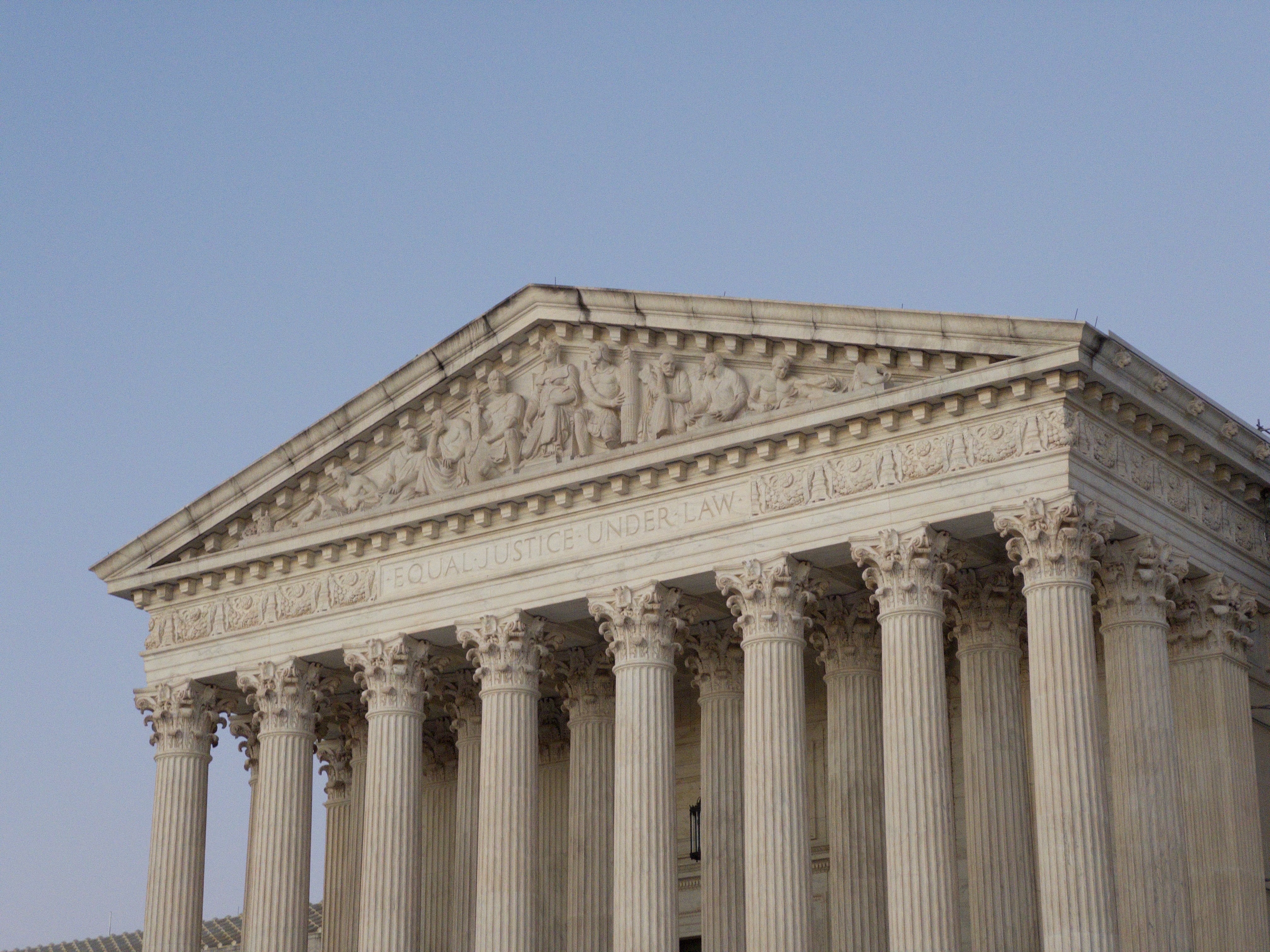
The Supreme Court on Friday, Sept. 25, paused a lower-court order and let the Trump administration use a revamped federal database to check whether people on state voter rolls are citizens. The vote was 6-3. The opinion is unsigned. Justice Ketanji Brown Jackson dissented, joined by Sonia Sotomayor and Elena Kagan. The election is Nov. 3, 39 days out. This is an emergency stay, not a final ruling on the merits. The case goes on below.
The database is Systematic Alien Verification for Entitlements, SAVE, a Homeland Security system that is about 40 years old. A March 2025 executive order told DHS and the Social Security Administration to let state and local officials use it to check citizenship and immigration status. The overhaul added records of U.S.-born citizens, opened searches by Social Security number, and allowed bulk lookups instead of one-at-a-time queries with a DHS ID number.
U.S. District Judge Sparkle Sooknanan in Washington blocked that overhaul. She said it violated federal privacy law and could knock eligible voters off the rolls. An appeals court left her order in place. The Justice Department asked the Supreme Court to step in.
The majority said the challengers' arguments "likely lack merit." Federal law, the Court wrote, gives the government "an obligation to respond to requests from state and local election officials seeking to verify the citizenship of voters." Sooknanan's order, they said, "inhibits the Federal Government's efforts to assist state and local agencies in the proper administration of the midterm elections." The New York Post and CNN both read the opinion as drawing a line: states still may not run a mass purge inside 90 days of a federal election. What Friday restored is individualized citizenship checks, not a blank check to wipe the rolls in October.
Jackson called it a "questionable interim ruling" about two statutes the Court "has never before interpreted," issued without full briefing or argument. She wrote that the majority ignored the harm the modified system "has caused, and will likely continue to cause, to lawful voters," and that burdening even a few legal voters outweighs stopping the government from doing something she thinks it likely cannot do. Challengers point to Travis County, Texas, where an election official found that up to a quarter of the people SAVE flagged as noncitizens were citizens.
Our take
Three justices looked at a citizenship check and treated the check as the scandal. Noncitizens are already not allowed to vote in federal elections. The argument on the table was whether a state official may ask the federal government, which already has the immigration file and the Social Security number, "is this registrant a citizen?" The majority said the privacy lawsuit probably loses, and the government has to answer that question. The dissent's position is that a possible false hit is worse than not looking.
The false hits are real. Travis County's number, up to 25 percent of the flags, is the reason you do not hand a clerk a list and say delete. The majority did not hand them that list. The 90-day quiet period is still the law. What changed on Friday is that the tool Judge Sooknanan turned off is back on for one-by-one checks, five weeks before the midterms. Jackson wanted it to stay off because the Court had not held a seminar first. The rolls do not wait for a seminar.