The facts
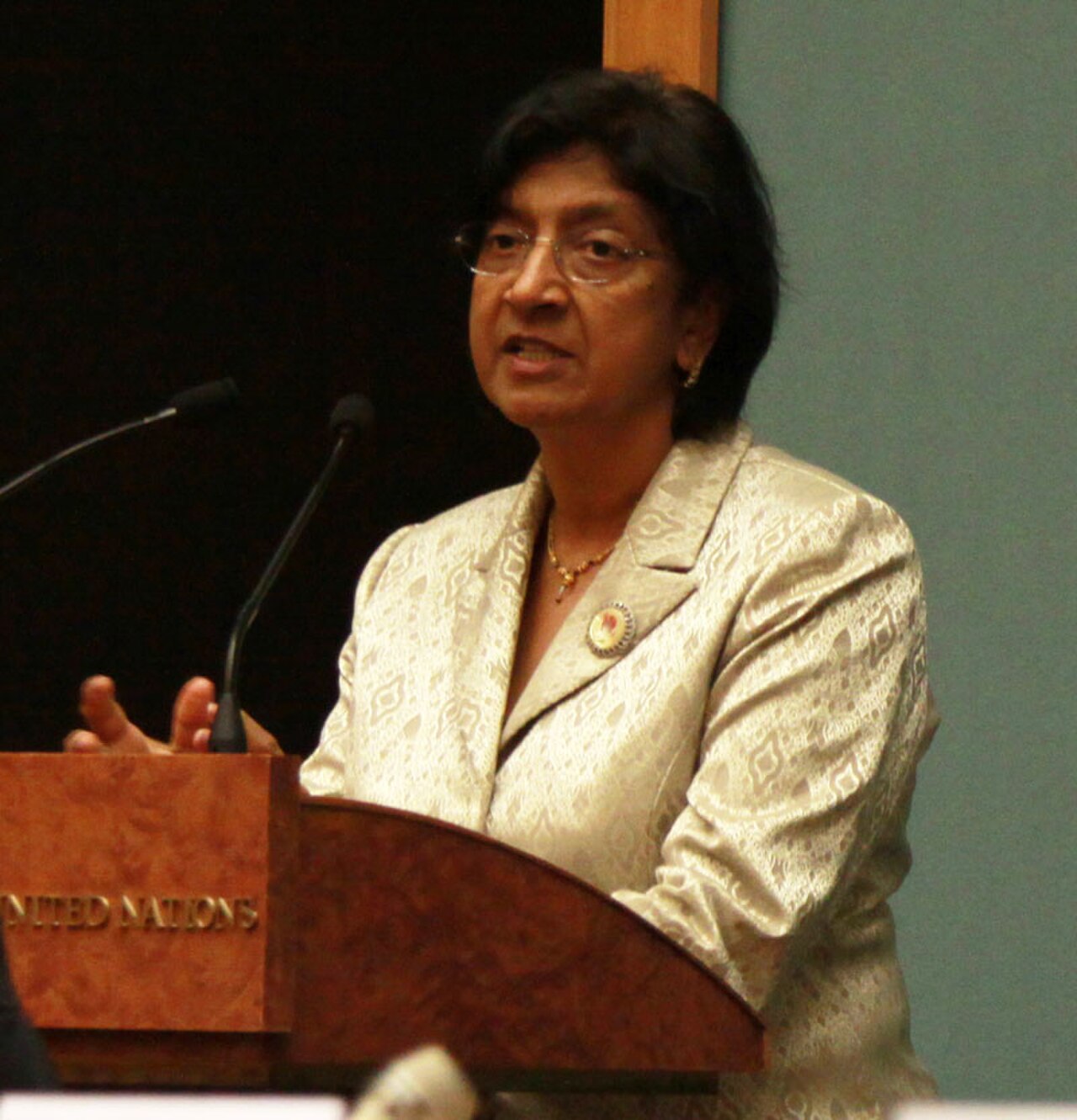
The Nobel Peace Prize has been awarded to Navi Pillay, the South African former UN high commissioner for human rights who now serves as a judge at the International Court of Justice (ICJ). The Norwegian Nobel Committee said Pillay has “shown that legal measures can help prevent acts of war and violence” and praised her long career, including defending Nelson Mandela during apartheid, serving on international criminal tribunals, and chairing the UN independent international commission of inquiry on the occupied Palestinian territory. That commission, whose report was released in September 2025, concluded that Israel had committed genocidal acts in Gaza with the specific intent to destroy Palestinians and named Prime Minister Benjamin Netanyahu, President Isaac Herzog and former defence minister Yoav Gallant as having incited genocide. Israel rejected the report as biased and “scandalous”. The Israeli foreign ministry responded to Pillay’s award on X, calling it a “grotesque weaponisation” of the prize. Pillay, 85, learned of the honour while attending a gathering of human‑rights lawyers in Nuremberg, Germany, and said she needed to verify the news. She is also overseeing a genocide case against Myanmar at the ICJ.
Our take
The Nobel Committee finally stopped handing out participation trophies to the world’s most aggressive leaders and gave the fucking prize to someone whose résumé reads like a master class in holding power to account. Navi Pillay, an 85‑year‑old South African jurist, has spent decades defending the oppressed – from Mandela’s anti‑apartheid struggle to the victims of the Akayesu judgment that recognized rape as a weapon of war – and now she’s being lauded for steering a UN commission that labeled Israel’s Gaza campaign genocidal. The committee’s praise that “legal measures can help prevent acts of war and violence” is a thinly veiled acknowledgment that law, when wielded by an independent mind, can actually bite back at the bullies. Israel’s foreign ministry reacted with the usual theatrical outrage, branding the award a “grotesque weaponisation” and spewing bile on X. Their fury reads less like a reasoned rebuttal and more like a teenage tantrum from a state that can’t stomach being called out by an impartial judge. Pillay’s own reaction – disbelief, a need to verify, and a quiet resolve – underscores how extraordinary it is for a legal scholar to be celebrated in a world that often rewards the loudest militarists. Meanwhile, she continues to preside over the genocide case against Myanmar at the ICJ, proving that age and decorum are no barriers to confronting mass atrocities. In a world where diplomatic corps spend billions on image‑craft, the Nobel’s decision is a middle‑finger wrapped in gold, a reminder that the rule of law still matters. The prize isn’t just a trophy; it’s a statement that the international community can still recognise courage over cruelty. The real question now is whether the backlash will make any governments pause before they repeat the same crimes, or whether they’ll simply write another angry tweet and move on. Either way, the message is clear: you can’t silence a judge with propaganda, you can only try to drown her out with more lies, and the Nobel Committee just turned up the volume.