The facts
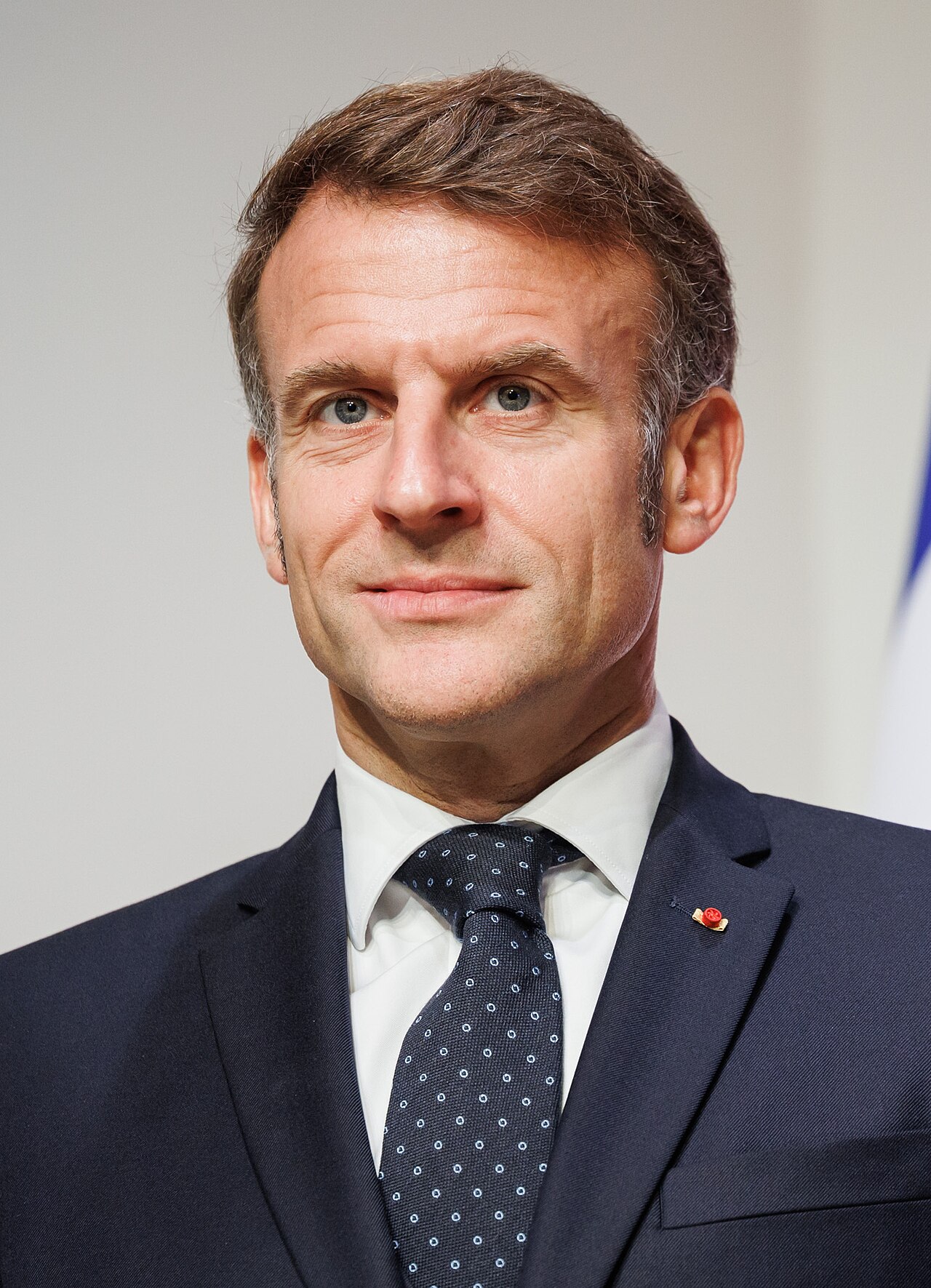
French President Emmanuel Macron delivered a national address from the Élysée Palace after protests over fuel prices, the cost of living and public services turned into rioting and looting on Saturday. He urged a distinction between the “legitimate demands” of demonstrators and those who “destroyed, smashed and looted.” France’s interior ministry reported about 2,400 arrests and roughly 1,000 police officers injured on Saturday. Rioters set fire to cars and buildings in Paris, Marseille, Lille and other cities; the 19th‑century city hall in Limoges was gutted by flames. Macron said local prefects and mayors would draft measures to protect shops and civic buildings and pledged “full transparency” over the police response. Interior Minister Laurent Nuñez blamed “several thousand far‑left individuals” and “delinquents” for the outrages, while hard‑left leader Jean‑Luc Mélenchon and hard‑right leader Marine Le Pen each criticised the handling of the unrest.
Our take
Macron’s televised plea for “calm and order” reads like a script for a badly dubbed disaster movie. He tells a nation whose streets are littered with shattered glass and smoldering ruins that there’s a clear line between peaceful protest and outright arson – a line that, frankly, anyone standing in front of a burning city hall can see without a microscope. The president’s solution? He’ll have local prefects and mayors draft protective measures for shops and civic buildings, as if a committee of paperwork can stop a torch‑wielding mob. Meanwhile, Interior Minister Laurent Nuñez points fingers at “several thousand far‑left individuals” and “delinquents,” a classic deflection that does nothing to address the underlying grievances over fuel costs and deteriorating public services. The political fallout is predictably theatrical: hard‑left leader Jean‑Luc Mélenchon lambasts the police, hard‑right figure Marine Le Pen condemns the left, and Macron stands in the middle, a gilded figure offering platitudes while the country burns. His promise of “full transparency” over the police response feels less like accountability and more like a pre‑emptive excuse to dodge blame. In the end, the French public is left with the same old script – leaders point, blame is tossed, and ordinary citizens are left to pick up the pieces of a shattered civic landscape. The real question isn’t whether Macron can draft a measure; it’s whether he can actually listen to the anger that sparked the riots in the first place. Fuck, France, you deserve better than empty rhetoric.