The facts
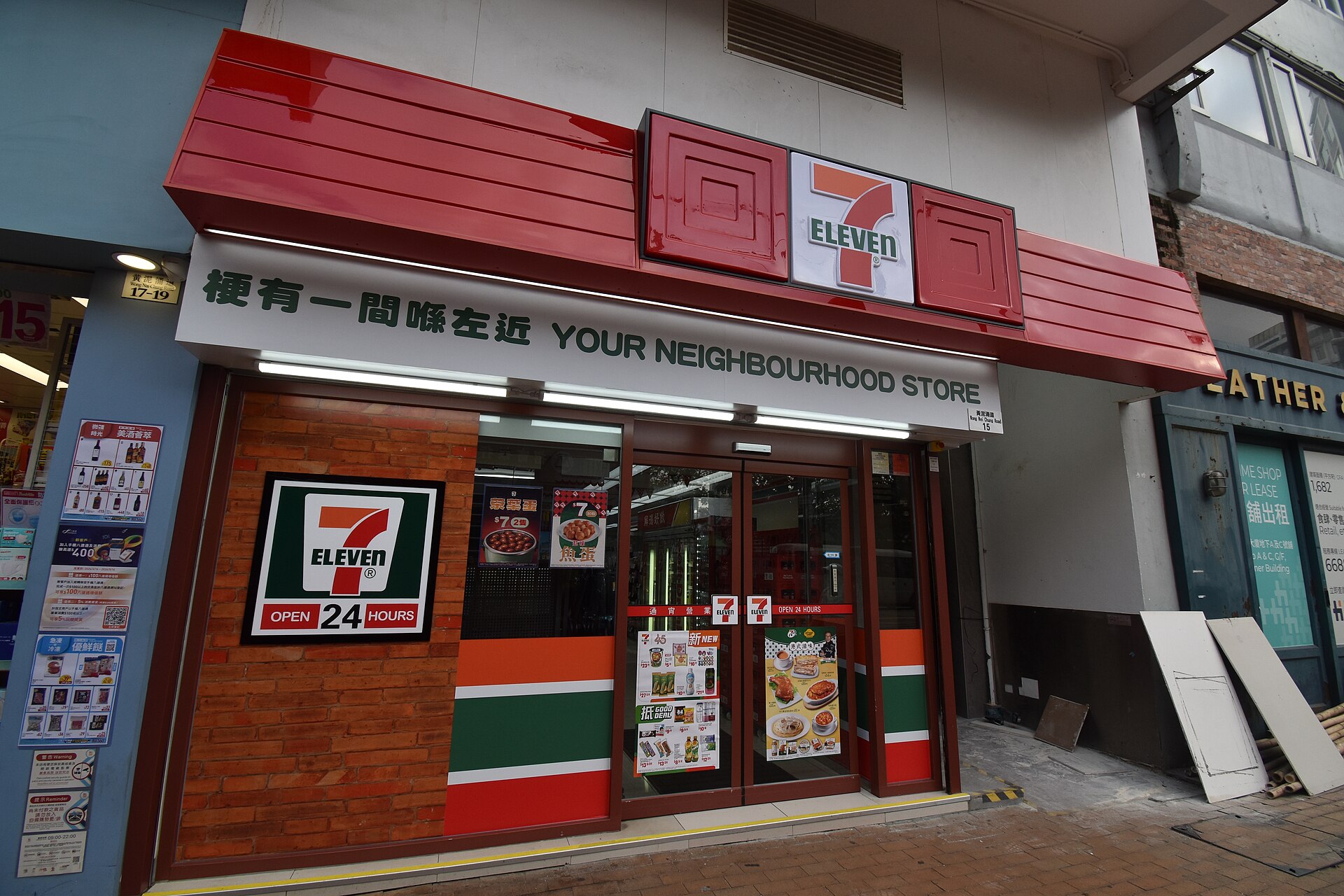
Five U.S. House members have publicly criticized pricing practices at 7‑Eleven and Circle K after the Guardian found the chains often charge more at the register or pump than the prices displayed on shelves or fuel signs. Representative Becca Balint (D‑VT) said, “It’s enraging that these massive companies are now essentially forcing us to fact‑check every price tag and receipt just to make sure we’re not getting ripped off,” and urged the Federal Trade Commission to investigate. Representative Nanette Barragán (D‑CA) called the story “disturbing,” adding that “Americans work hard to feed their families. As Trump and Republicans continue to skyrocket the cost of food and other basic necessities, businesses need to keep their prices transparent and fair.” The Guardian’s review of inspections from 2023‑2025 showed 7‑Eleven failed 41% of price checks in Arizona and 47% in Colorado and Utah, while Circle K failed 35% in Florida, 39% in Arizona and 62% in North Carolina. Both chains said they take pricing accuracy “very seriously” and are committed to complying with applicable laws.
Our take
The whole thing reads like a bad sitcom where the villains are fluorescent‑lit aisles and the heroes are five lawmakers armed with press releases. Balint’s statement about having to fact‑check every price tag highlights a genuine frustration for shoppers who discover they’ve paid more because the shelf tag was inaccurate. Yet the outrage also functions as a political performance, a way for legislators to signal alignment with everyday consumers while the deeper levers of power - regulatory budgets, enforcement agencies, and corporate lobbying - remain largely untouched. Barragán’s jab at “Trump and Republicans” adds partisan color that can distract from the structural issue: a patchwork of state inspections that lets big chains slip through the cracks. The data speak for themselves - failure rates north of 40% in multiple states are not isolated glitches; they are systemic gaps that cheap‑price‑tag games exploit. When the FTC finally steps in, it will need teeth, not just a polite reminder. Heavy fines, mandatory price‑matching technology, and transparent audit trails could force chains to align shelf tags with cash registers. Until then, the public will keep paying the difference, and lawmakers will keep shouting about it on the House floor, hoping the sound of their own voices drowns out the cash‑register chime. The real question is whether this theatrical outrage will translate into concrete policy or remain another episode of political theater that ends with a sigh and a shrug. Either way, the next time you grab a Slurpee, you’ll be watching the price tag like a hawk - because the only thing more reliable than a convenience‑store receipt is the sound of a politician’s angry tweet. The performance is a fucking reminder that consumer protection still needs real enforcement, not just rhetoric.