The facts
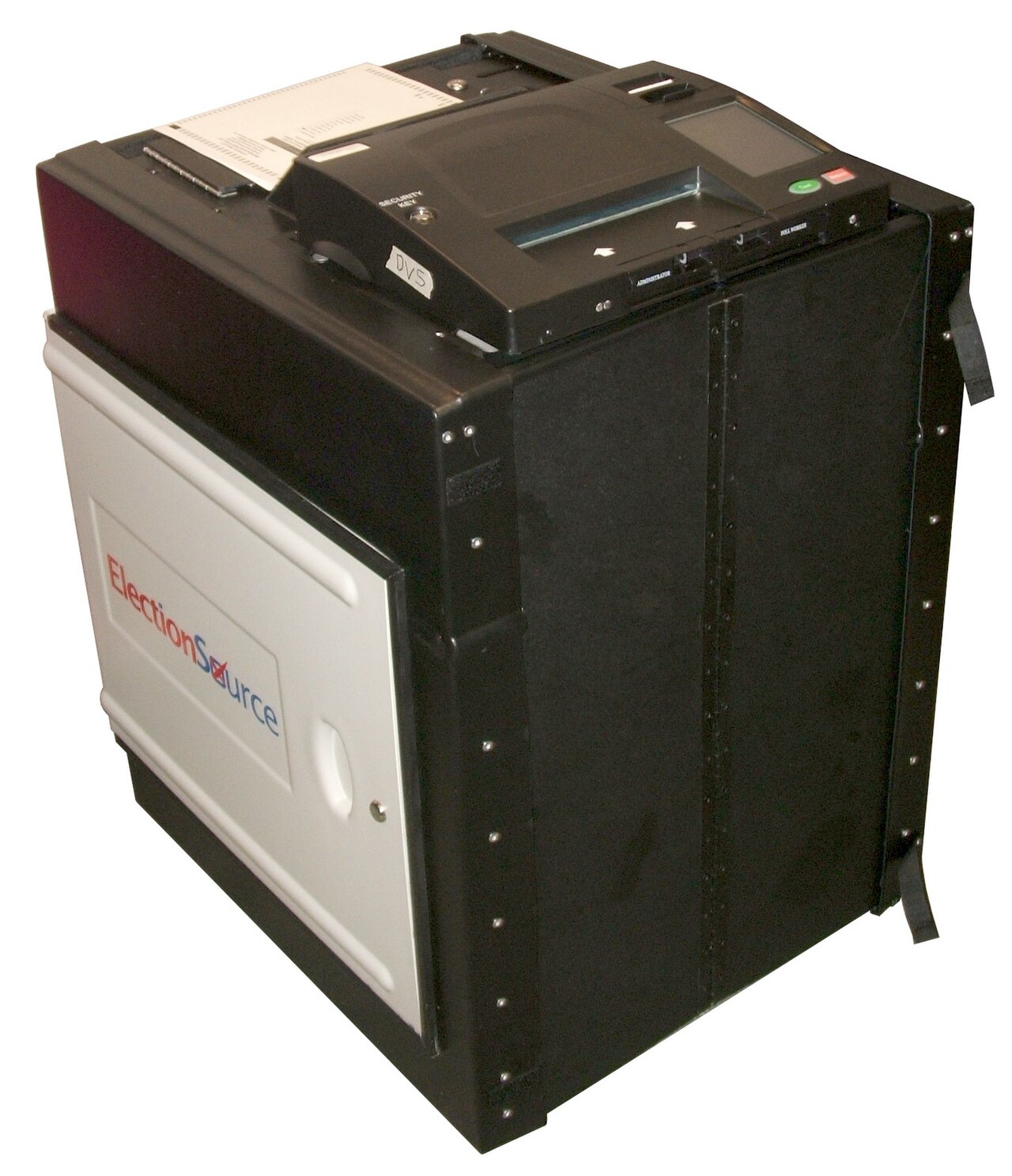
In June 2025 a team of U.S. government computer experts shuttled between a dusty warehouse in Puerto Rico and the island’s election‑commission headquarters to analyze a voting machine used in the 2024 Puerto Rico elections. The effort was led by Kurt Olsen, a Washington lawyer and former Navy SEAL who had spent years promoting Donald Trump’s false claim that the 2020 election was stolen. Reuters interviewed more than two dozen people, including current and former U.S. officials, and found the investigation spanned the Office of the Director of National Intelligence, the Justice Department, the Department of Homeland Security and the FBI. Olsen had previously represented Kari Lake and worked closely with MyPillow founder Mike Lindell on election‑fraud matters. On a May video call Olsen told staff of Mojave Research and cybersecurity specialist Ben Cotton that Puerto Rico authorities would provide machines he believed could yield evidence of Venezuelan hacking. In June 2025 Wareham and Cotton flew to San Juan with an FBI agent and a Mojave Research engineer, inspected dozens of machines, and copied data from a Dominion machine onto nearly every external hard drive they could buy, packing the drives into eight to ten boxes shipped to ODNI headquarters in McLean, Virginia. A six‑hour June 19 meeting in Tampa with Justice Department officials and others failed to produce any evidence that Smartmatic software entered Dominion machines or that U.S. equipment was hacked. An ODNI report later highlighted vulnerabilities but found no evidence of vote manipulation. By late summer Olsen turned on Mojave Research, telling Trump that the Virginia contractor was secretly funded by George Soros. Mojave Research denied the allegation, and the Open Society Foundations said there were no
Our take
Appreciate the operational excellence here. Kurt Olsen, a man once fined $2,000 for lying about votes in court, who swore he had learned a lesson about being more careful with his use of words, responded to a year of finding absolutely nothing by claiming his own contractor was secretly funded by George Soros. That is not careful use of words. That is what a man says when the voting machines refuse to confess and the only conspiracy left is the one he invents about the people who examined the machines. This is what a federal investigation looks like when its entire theory of the case is one man's feelings: computer experts shuttling in and out of a dusty warehouse in Puerto Rico, a cybersecurity volunteer dialing into the war room from a barber’s chair mid‑haircut, and some poor bastard in San Juan buying up every external hard drive in town so the evidence could be shipped to Virginia in eight to ten boxes like a college‑dorm move. Four agencies. A six‑hour meeting in a Tampa hotel. And at the end of the longest scavenger hunt in the history of American paranoia, the devastating finding: the machines were fine, the election was fine, and the only person entertained was the audience of one who commissioned the whole circus. Olsen didn’t investigate an election. He ran a ghost‑hunting show with the FBI, the Justice Department, Homeland Security and the intelligence community as his crew, and the ghosts never showed up. Every court, every audit, every agency that touched this garbage reached the same conclusion, and his answer was to accuse his own contractor of taking Soros money. When the fraud isn’t real, the fraud‑hunter just starts seeing fraud in the mirror. This whole debacle is a masterclass in how not to conduct an investigation, and it proves once again that the only thing more fragile than the myth of a stolen election is the ego of the people who keep trying to prove it. Fucking absurd.