The facts
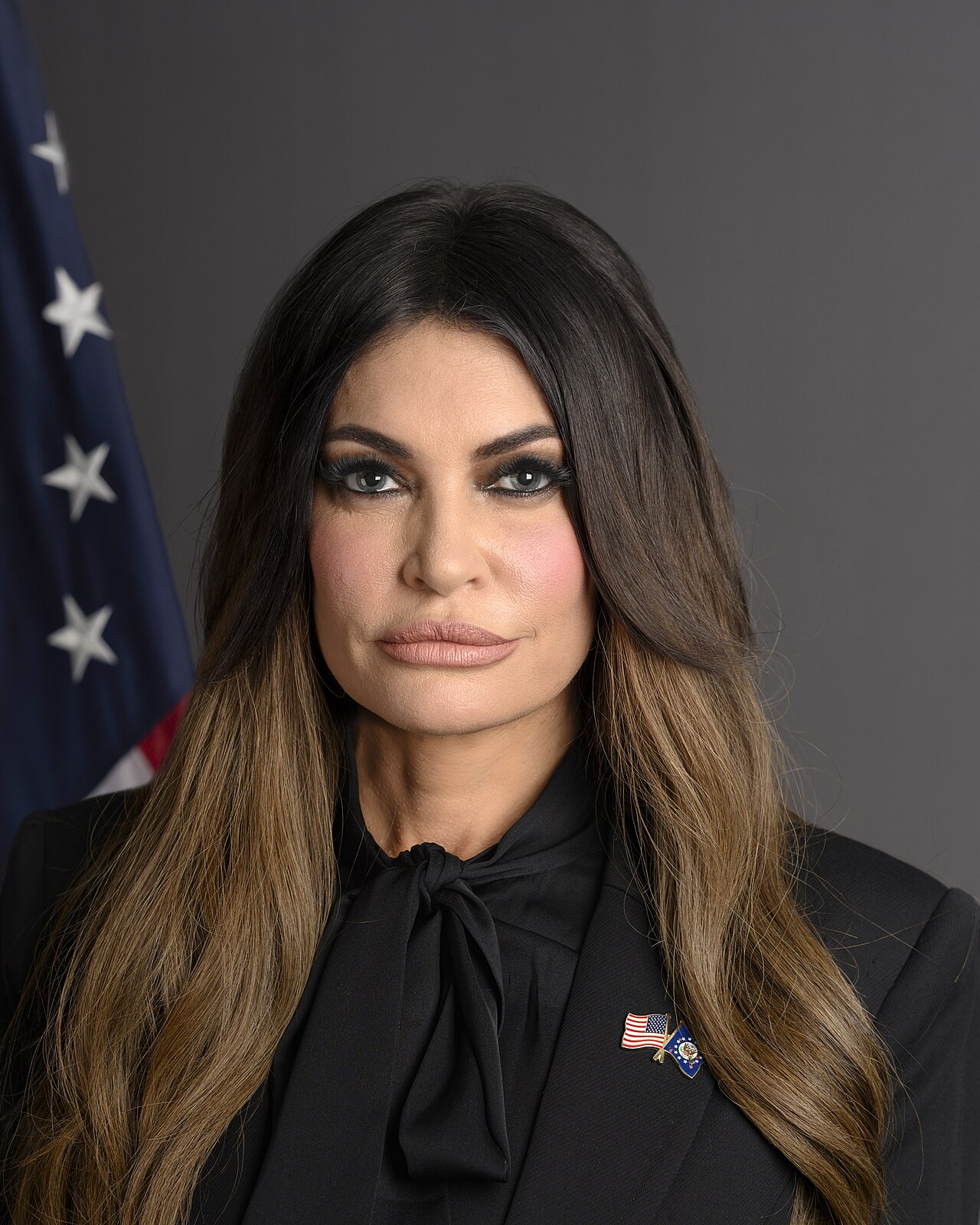
Sen. Jeanne Shaheen, chair of the Senate Foreign Relations Committee, wrote to Secretary of State Marco Rubio warning that Ambassador Kimberly Guilfoyle had used her official position to promote a Greek energy firm, Aktor Group, and its joint venture with a state‑backed Greek company. Shaheen cited Guilfoyle’s inclusion of lobbyist Christos Marafatsos in meetings with foreign officials and the promotion of a 20‑year LNG purchase deal with Venture Global. Rep. Gregory Meeks, chair of the House Foreign Affairs Committee, echoed the concern, saying the reports, if accurate, made Guilfoyle “unfit to represent the United States abroad.” A U.S. Embassy official in Greece said Guilfoyle “continues to follow all State Department ethical guidelines.” The lawmakers have requested a full list of meetings involving the lobbyist, details of Guilfoyle’s financial interests, and documentation of her private‑jet travel, which embassy staff say is rare and requires explicit approval. The request also seeks clarification on whether the jet paid for by Aktor’s CEO complied with State Department rules.
Our take
Kimberly Guilfoyle landed in Athens with a diplomatic résumé and a side hustle that looks more like a sales pitch than statecraft. The Wall Street Journal’s investigation uncovered a pattern: she repeatedly brought lobbyist Christos Marafatsos into official meetings, championed Aktor Group’s 20‑year LNG contract, and hopped on private jets paid for by the company’s CEO. While a State Department official insists she’s “in full compliance,” the very fact that senior Democrats felt compelled to write letters of concern suggests something smells worse than jet fuel. The real punchline? Guilfoyle apparently told Greece’s energy minister that the United States could “do that to any country we want,” referencing the collapse of Romania’s government. That line, whether a diplomatic jab or a reckless boast, sparked a treason complaint in Bucharest and gave opposition parties in Greece a fresh reason to demand answers. What’s especially galling is the optics: ambassadors rarely fly private, and when they do, they need explicit clearance. Guilfoyle’s private‑jet trips, coupled with her aggressive promotion of a foreign energy deal, blur the line between public duty and private profit. If the State Department’s own guidelines are being sidestepped, the question isn’t just whether the rules were broken, but whether the ambassador’s actions undermine U.S. credibility at a time when energy security is a geopolitical flashpoint. The Senate and House foreign‑affairs chairs are now pressing for a thorough review, and that scrutiny is warranted. Diplomacy is supposed to be about building bridges, not turning embassies into showrooms for a single company’s bottom line. If Guilfoyle wants to keep her passport, she’ll need to step back from the gas‑sales booth and let the State Department do its job without the extra baggage of private‑jet perks and lobbyist hand‑holds. Otherwise, the next headline might read less like a policy dispute and more like a cautionary tale about how not to use a diplomatic posting. Fuck this mess, and let the proper process run.