The facts
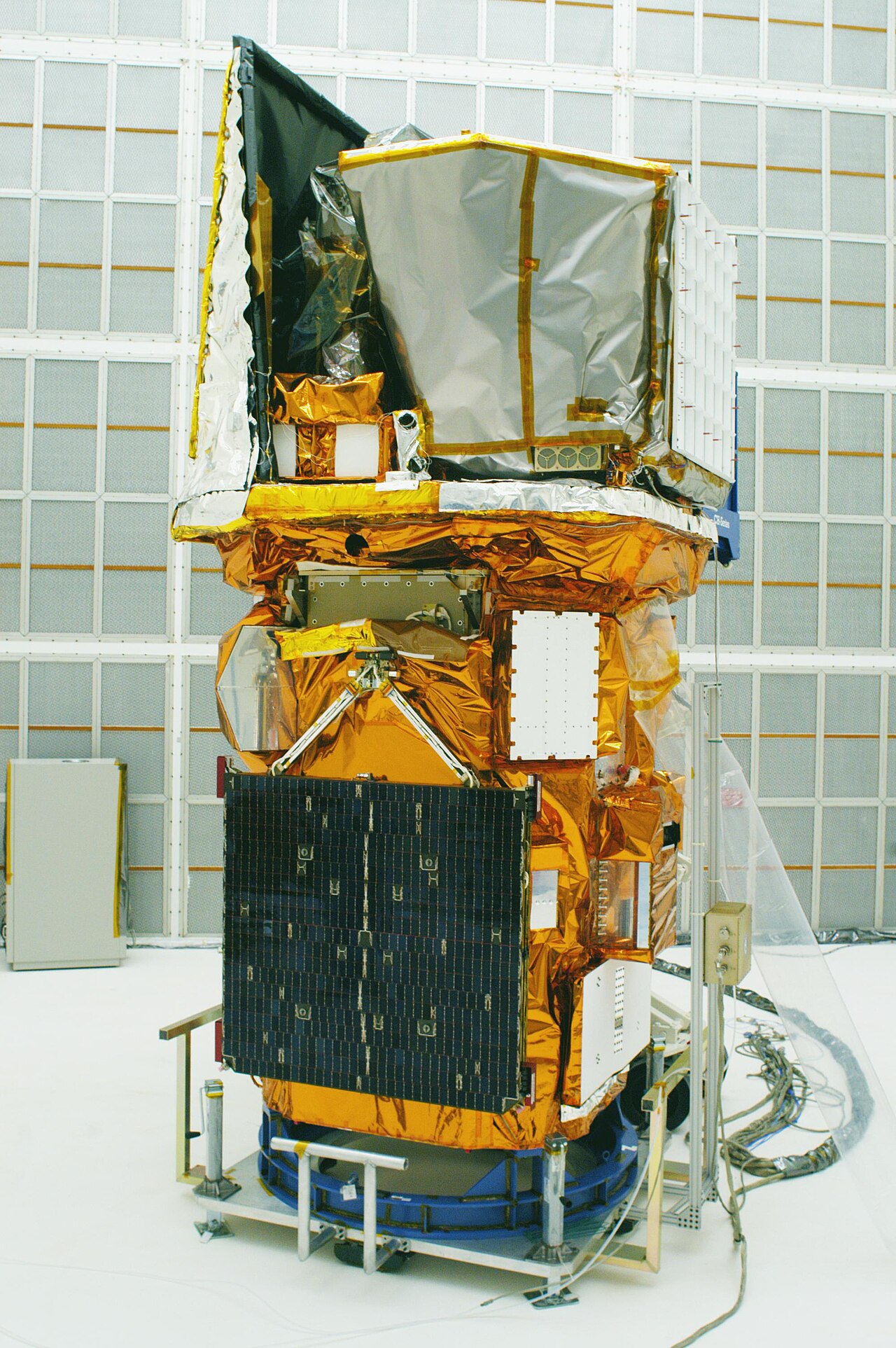
The Neil Gehrels Swift Observatory, a 3,200‑pound (1,452‑kg) NASA telescope launched in November 2004, is descending toward re‑entry as its orbit drops below 185 miles (300 km) in early‑mid October. Engineers estimate it will burn up in Earth’s atmosphere, with any surviving debris unlikely to cause damage. To rescue Swift, Arizona‑based Katalyst Space Technologies built and launched the LINK satellite in early July, completing development in nine months. LINK spun out of control weeks after launch, and after using its thrusters to slow the spin its propellant was depleted, leaving insufficient fuel for a capture. The satellite approached within 7.5–9 mi (12–15 km) of Swift in early September, deployed its three robotic arms, fired its electric thrusters, and re‑entered on September 25 after 85 days in orbit. NASA’s Shawn Domagal‑Goldman called the effort high‑risk, high‑reward, while Katalyst CEO Ghonhee Lee said the mission provides lessons for future spacecraft servicing.
Our take
Let’s cut the crap: a massive, decades‑old NASA telescope is on a slow, fiery plunge, and a private firm in Arizona decided to play hero with a nine‑month sprint to build a rescue robot. The result? LINK, a satellite that spun like a drunken idiot, ran out of fuel, and spent its brief life waving robotic arms at a dead‑end target before burning up in the atmosphere. The whole “rescue” turned into a demo, a classic corporate spin‑out when the original plan flops. NASA’s own Shawn Domagal‑Goldman called it high‑risk, high‑reward, but the risk was total failure and the reward is a cloud of burnt‑up metal and a press release full of bravado. Katalyst’s CEO Ghonhee Lee boasts about building the first commercial space robot, yet the only thing it proved was how quickly you can turn a multi‑million‑dollar project into a spectacular, flaming disappointment. Meanwhile Swift drifts toward oblivion with no replacement, its scientists forced to run final observations that only hasten its demise. The whole saga is a stark reminder that throwing cash at a problem without realistic engineering timelines yields nothing but ash and a big middle‑finger to taxpayers. Fuck this circus.