The facts
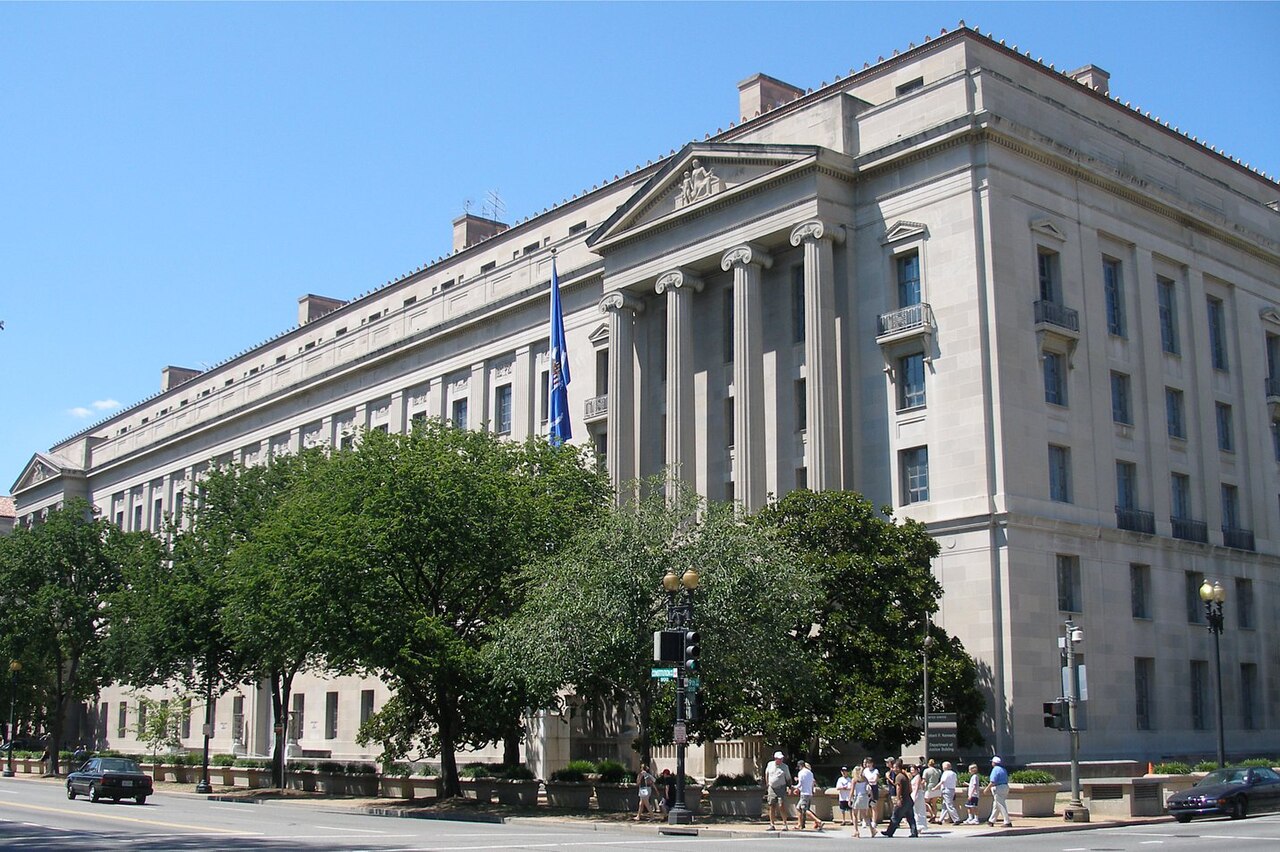
The Guardian reports that the Justice Department has become actively involved in the 2026 midterm elections, breaking with its historic practice of political neutrality. In the weeks before the election, federal agents raided the Washington, D.C., home of Democratic Representative Ilhan Omar as part of an immigration‑fraud investigation. The department also publicized arrests of non‑citizens accused of voter fraud and sued California after the state refused to purge the rolls of about 20,000 voters whose citizenship was unverified. Attorney General Todd Blanche, who now leads the DOJ, has spoken at campaign rallies for Republican candidates and at the Republican convention in Dallas. A former DOJ attorney noted the department’s long‑standing “blackout” practice of avoiding election‑influencing actions for at least 60 days, a norm the current administration appears to have abandoned.
Our take
Here we go again, and this time the Justice Department is doing the heavy lifting for the GOP like a hired thug in a suit. The raid on Ilhan Omar’s home wasn’t a routine immigration probe; it was a political power play timed to scare Democratic voters and give the media a headline that looks like justice but reads like intimidation. Meanwhile, Attorney General Todd Blanche is strolling onto Republican rally stages, flashing a grin that says, I’m on your side, while still wearing the badge of the nation’s top law‑enforcement agency. That’s not a personal hobby, it’s a direct violation of the department’s own manual, which advises prosecutors to steer clear of any action that could affect an election. The manual may be silent on a hard rule, but the unwritten 60‑day blackout has been a cornerstone of DOJ tradition for decades. The current administration has tossed that tradition out the window, replacing it with a playbook that treats the department as a political artillery unit. Their defense? No rule prohibits action close to an election. Holy shit, that’s the kind of legal nonsense you hear from a toddler who just discovered crayons. The DOJ’s own officials admit the practice is informal, yet they continue to weaponize investigations, press releases, and lawsuits to create a narrative of rampant voter fraud just when the party’s prospects look shaky. It’s a shameless, calculated effort to manufacture a pre‑election crisis that can be blamed on the opposition if the results don’t go their way. The separation of powers, once a sturdy barrier, is now a speed bump for a department that has turned its guns on the democratic process it’s supposed to protect. The result is a justice system that looks less like an impartial arbiter and more like a partisan cannon, firing at anyone who doesn’t vote the way its masters want.