The facts
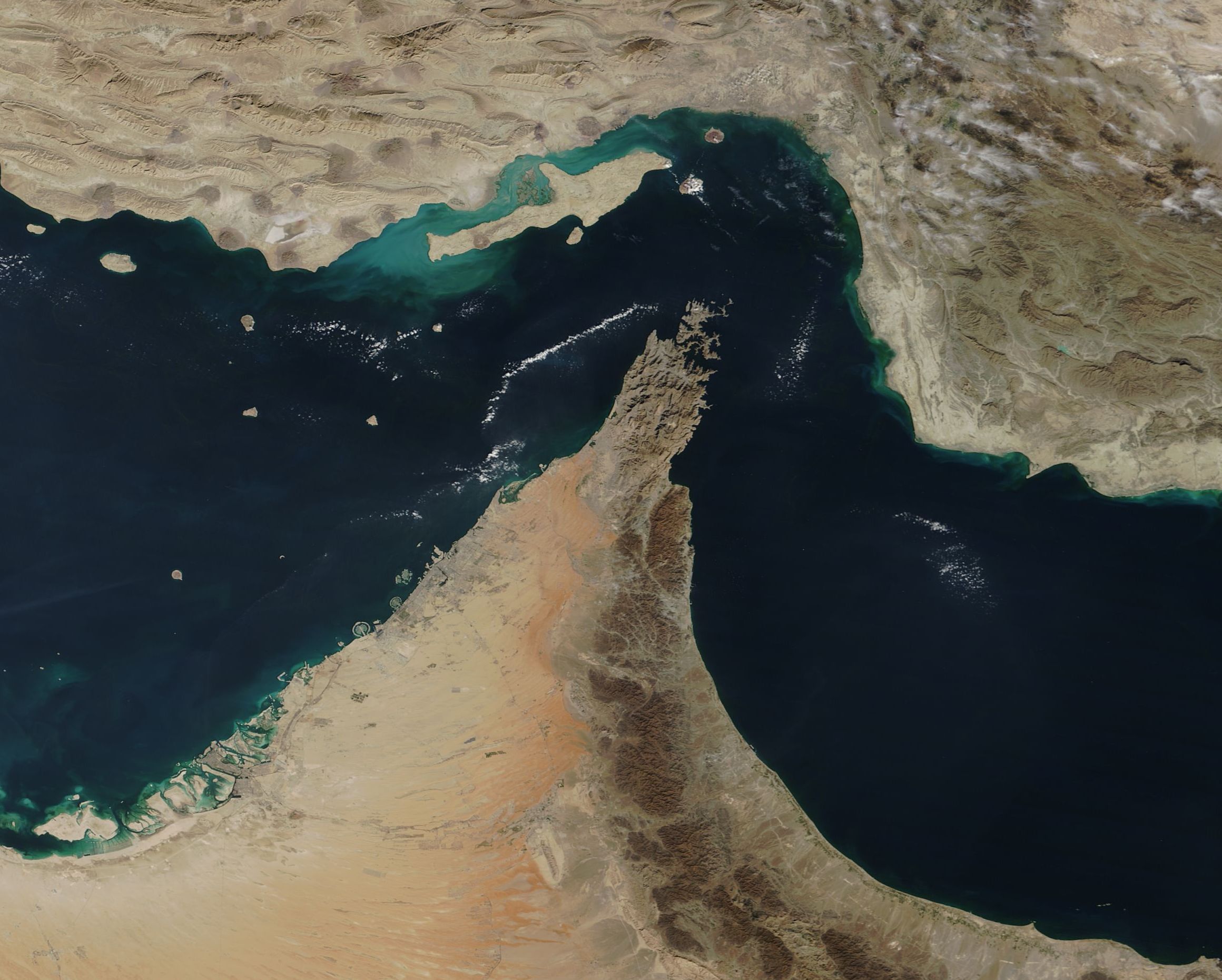
Iran has proposed reopening the Strait of Hormuz and resuming talks on its nuclear program in seven days if the United States lifts its naval blockade of Iranian ports, waives sanctions on Iranian oil sales, and observes a ceasefire that would include Lebanon. Iran's Foreign Minister Abbas Araghchi detailed the proposal in a private gathering on Thursday on the sidelines of the U.N. General Assembly in New York, according to one attendee. Trita Parsi, executive vice president of the Quincy Institute think tank, said Araghchi suggested that a speedy agreement would help U.S. President Donald Trump ahead of November's midterm elections and relieve economic pressure on Tehran. Iran's disruption of the strait, through which a fifth of the world's traded oil and gas transited before the war, has emerged as its main point of leverage. The White House said Friday that U.S. officials are having positive and constructive conversations with mediators on the Iran war and that the U.S. is facilitating significant oil exports through the Strait of Hormuz. The proposal, conveyed to the U.S. by mediators, strongly resembles the so-called Memorandum of Understanding reached in June, but with an accelerated timetable. A person familiar with the matter, speaking on condition of anonymity, told The Associated Press that Saudi Arabia was skeptical of the latest push for a deal. Hamidreza Azizi, senior Iran analyst at the International Crisis Group, wrote on X that the chances of the proposal being accepted by Trump are likely low, suggesting Iran aims to demonstrate readiness for diplomacy. The proposal would include Lebanon, where Israel and the Iran-backed Hezbollah have been observing a ceasefire. Maj. Gen. Yahya Rahim Safavi, a military adviser to Iran's supreme leader, stated that Americans face a new problem with the Bab el-Mandeb Strait and will be forced to accept Iran's conditions. The head of Iran's Revolutionary Guard, Brig. Gen. Ahmad Vahidi, highlighted President Pezeshkian's comments that Iran does not fear war. Iran's parliament speaker, Mohammad Bagher Qalibaf, acknowledged an internal divide between those advocating for war and those who might underestimate national capabilities.
Our take
So Iran, after spending months turning the Strait of Hormuz into its personal aquatic dick-measuring contest, has suddenly remembered the virtues of conversation. Its brilliant new offer: it will *possibly* stop being a maritime asshole in a week, but only if the United States first agrees to fuck off completely, lift every sanction, call off its navy, and throw a ceasefire party that includes Lebanon. This isn't diplomacy; it's a shakedown written on a napkin stolen from the U.N. cafeteria.
The gall is breathtaking. They’ve been choking the world’s oil supply like a petulant child gripping a toy it doesn’t even want, just to prove it can. Now they’re offering to *stop* - a service they previously provided for free before they decided to be cunts about it - in exchange for the entire fucking store. It’s like a mugger offering to give your wallet back, but only after you sign over your house, car, and first-born, and promise never to call the cops.
Even their own sales pitch is pathetic. They’re floating this bullshit with a wink, suggesting it could ‘help’ Donald Trump before the midterms. As if the U.S. president is just sitting there, sweating through his tan, waiting for a lifeline from the regime whose chief export besides crude oil is regional chaos. The proposal is a carbon copy of a previous deal that immediately collapsed when Iran went back to attacking ships, because of course it did. Expecting a different outcome this time is the definition of diplomatic insanity.
Meanwhile, the internal voices in Tehran aren't even singing from the same hymn sheet; they're screaming from different fucking chapels. You’ve got the ‘Supreme Leader’s military advisor’ boasting that America has ‘a new problem’ and will be ‘forced’ to accept Iran's terms, while the parliament speaker admits some of his colleagues are either bloodthirsty morons or delusional pacifists. This isn't a government presenting a unified front; it’s a clown car leaking conflicting threats and desperate offers.
Saudi Arabia, the regional power that actually has to live next to this shitshow, is reportedly skeptical. No shit. Watching Iran try to auction off basic fucking stability - the stability it maliciously disrupted - is like watching an arsonist demand a reward for not throwing the next match. The only thing getting reopened here is the case file on how not to negotiate with petro-state terrorists.