The facts
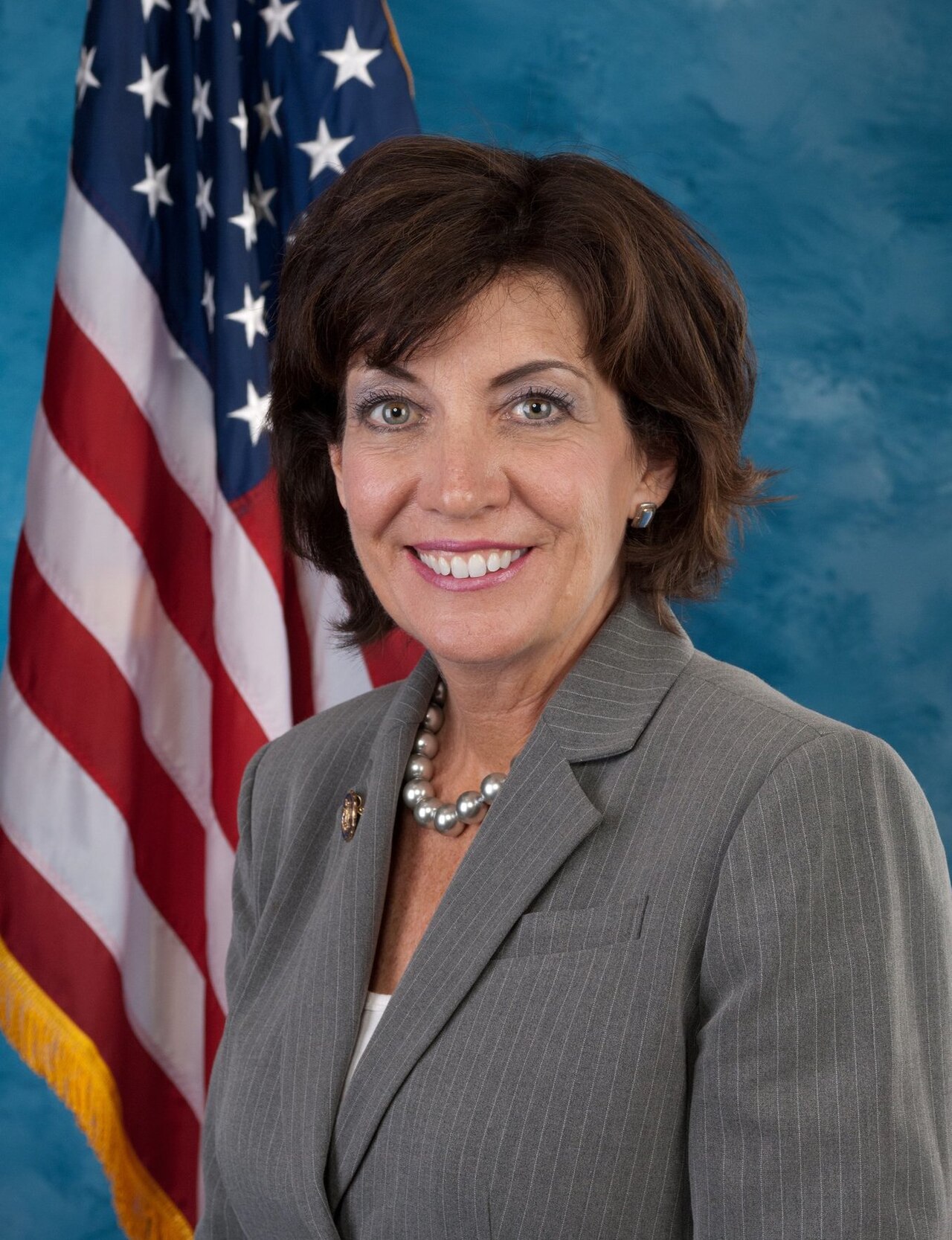
On Oct. 13, 2026, New York Gov. Kathy Hochul faced Republican challenger Bruce Blakeman in a televised debate. Blakeman asked Hochul to apologize to the parents of Sheridan Gorman, an 18‑year‑old Loyola University Chicago student from Yorktown who was fatally shot near her campus. Police have charged Jose Medina‑Medina, an undocumented Venezuelan immigrant, in connection with the killing. Hochul replied that she abhors all crimes and cited her administration’s investments that have “driven down crime to historic lows.” She did not directly apologize or address returning the Gorman family’s calls. Instead, she referenced the deaths of Renee Good and Alex Pretti, two individuals killed in separate confrontations with federal immigration agents in Minneapolis earlier that year, and questioned Blakeman’s stance on those incidents. The exchange generated social‑media commentary from various accounts.
Our take
Here’s the fucking math, you absolute cunt: a grieving family asks for a simple human acknowledgment, and the governor sidesteps it with a textbook whataboutism. Hochul, the governor of the Empire State, was pressed by Bruce Blakeman to say sorry to the parents of Sheridan Gorman, an 18‑year‑old murdered by an undocumented immigrant. Instead of a direct apology, she launched into a rehearsed spiel about how she abhors all crimes and how her administration has poured billions into crime‑reduction efforts. That’s fine, but it does nothing for the Gorman family, who are still waiting for a phone call. By pivoting to the deaths of Renee Good and Alex Pretti - two victims of ICE‑related incidents in Minneapolis - she turned the conversation into a political juggling act. It’s the logical equivalent of a kid caught with his hand in the cookie jar shouting, WHAT ABOUT BILLY’S UNPAID PARKING TICKETS?! The point is irrelevant to the question at hand and serves only to deflect. This isn’t a policy debate; it’s a human‑to‑human moment that was turned into a talking‑point exercise. Hochul’s refusal to acknowledge the Gorman family directly, coupled with her reliance on what‑aboutism, reveals a strategy that prioritizes political optics over empathy. It’s a classic move: acknowledge the pain of one group, then immediately shift to another grievance to dilute the original demand. The result is a hollow performance that leaves the victims’ families feeling ignored and the electorate questioning whether their leader can offer genuine compassion when it matters most. The take‑away is clear - political theater can’t replace a sincere apology, and Hochul’s choice to dodge the question only deepens the perception that she’s more interested in protecting her sanctuary narrative than in confronting the human cost of that policy.