The facts
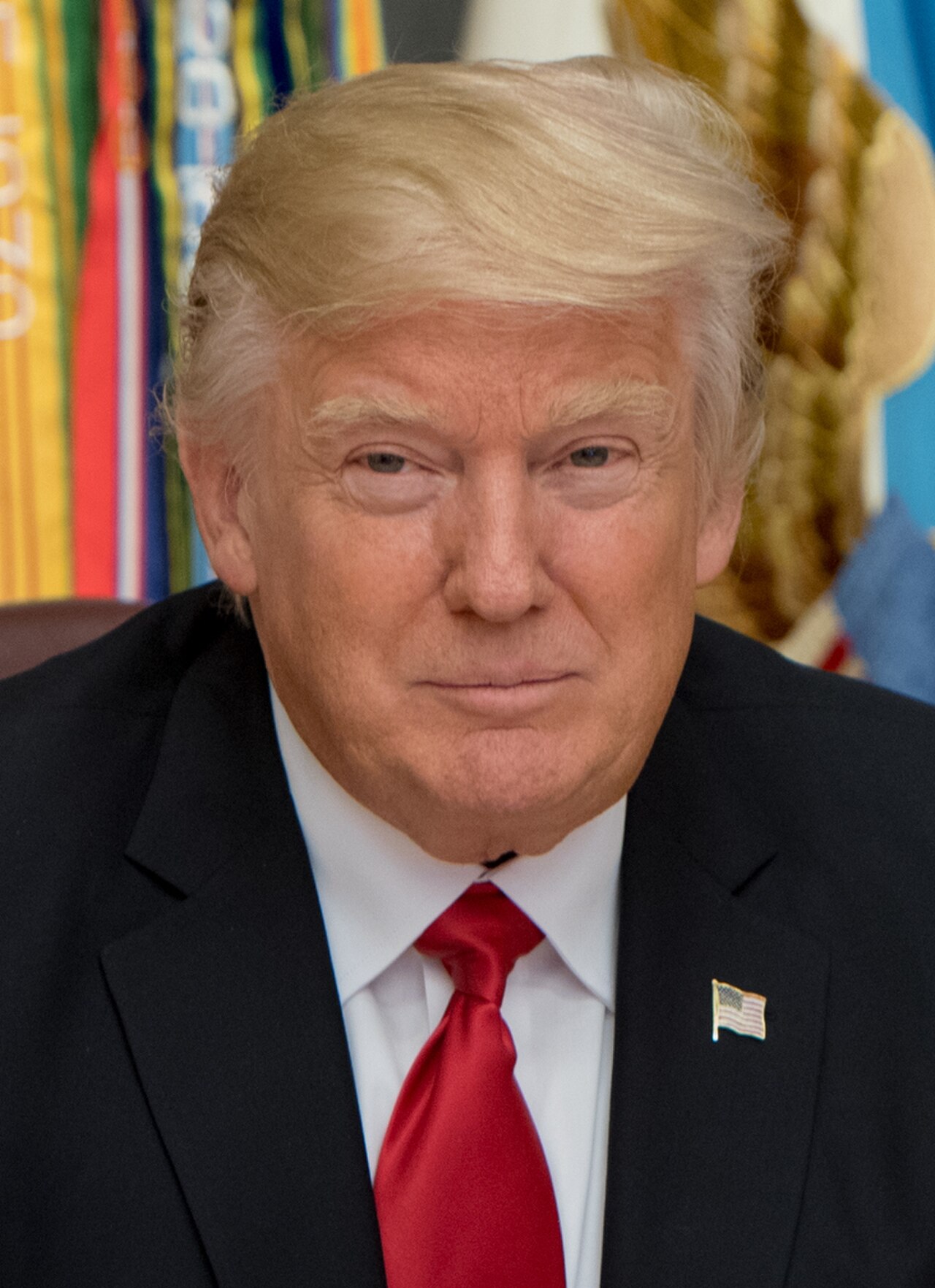
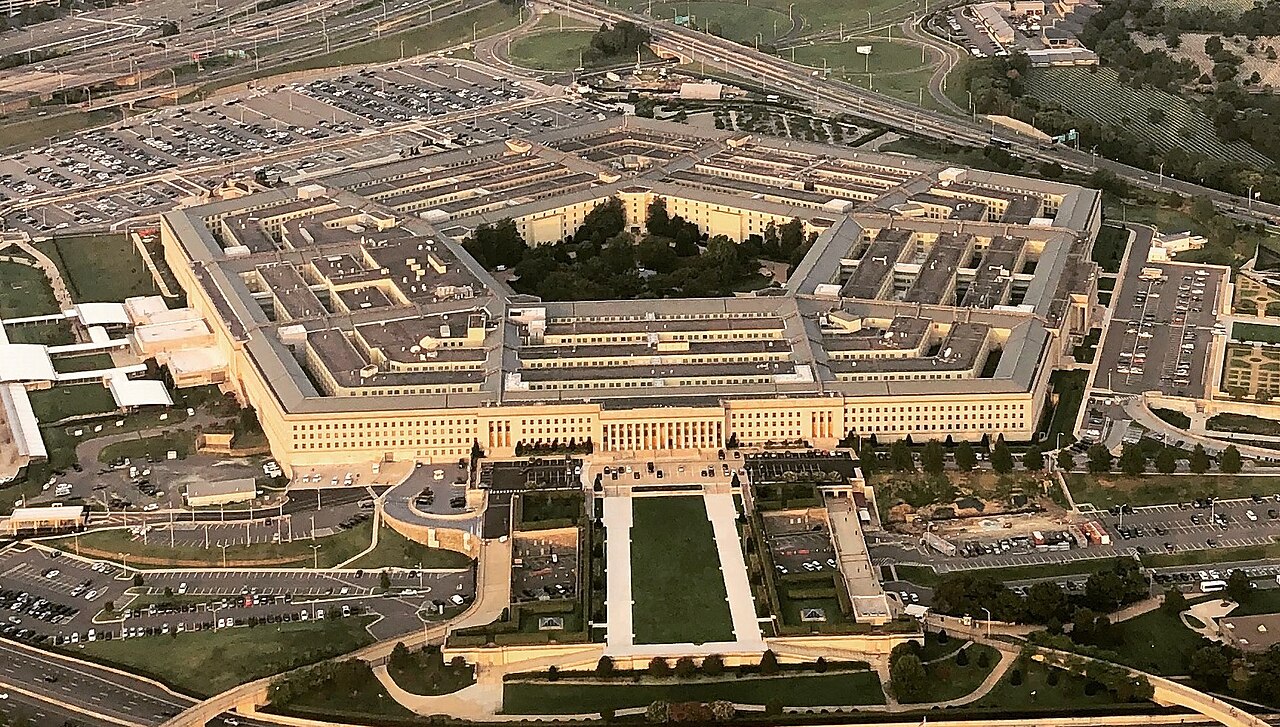
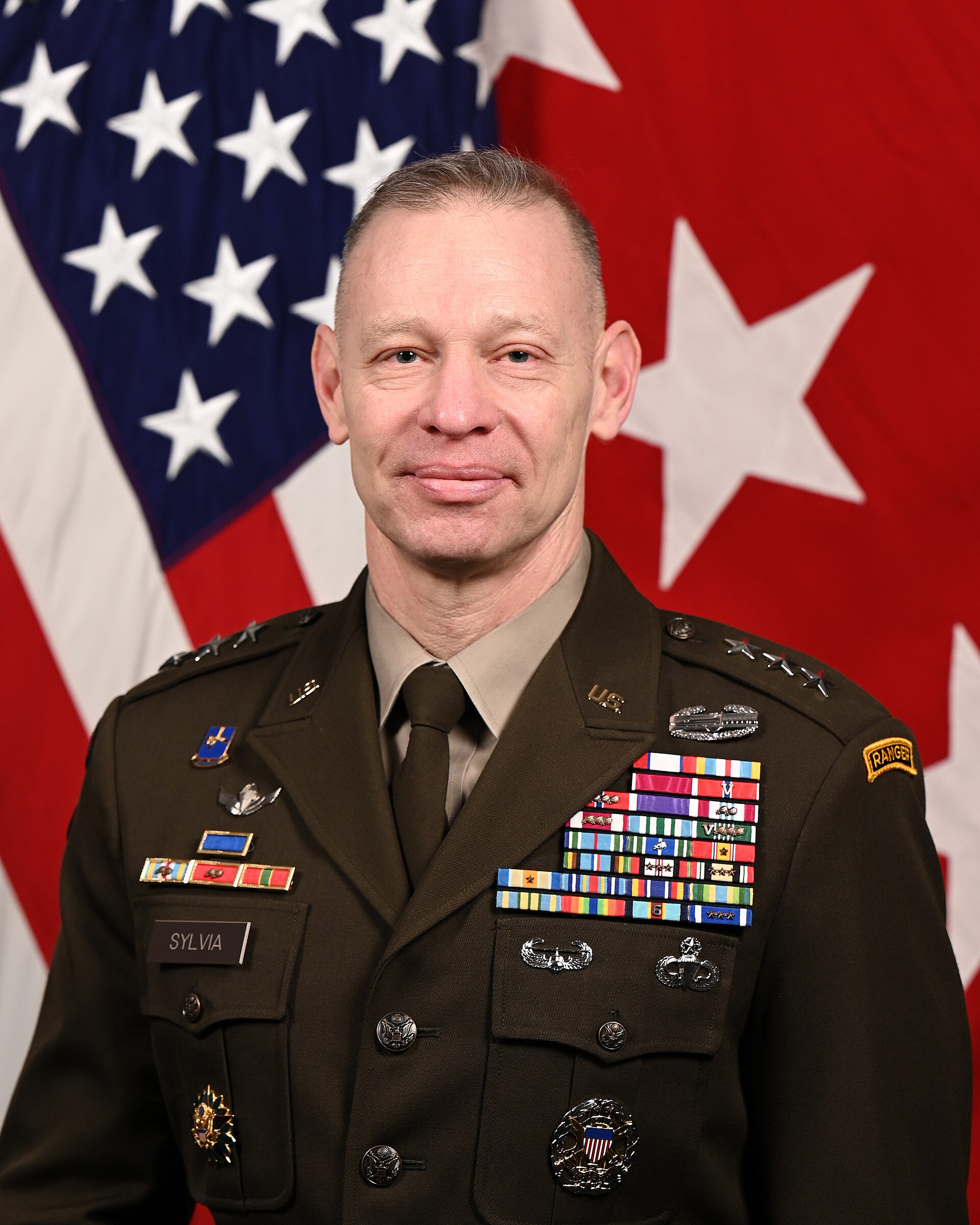
Defense Secretary Pete Hegseth dismissed Army Lt. Gen. Brett Sylvia, the head of strategy, plans and policy (the J5) on the Joint Chiefs of Staff, according to an anonymous defense official. Sylvia is the second general removed from the J5 post under Hegseth; his predecessor, Lt. Gen. Joseph McGee, was forced to retire last October, which the article dated Oct 29 2026 means October 2025. The Joint Staff issued a statement thanking Sylvia for 32 years of service and noted no immediate replacement has been named. The firing comes as President Donald Trump has repeatedly floated the possibility of new strikes against Iran, saying a “finish the job” option remains after the upcoming midterm elections. U.S. officials have warned regional allies to prepare for potential renewed action, though Trump has not made a final decision. Hegseth previously announced a plan to cut 20 percent of top‑officer positions by Jan. 1 2027, a move some members of Congress have called a “purge.”
Our take
Well, here we fucking go again. Pete Hegseth, the Pentagon’s resident purger, just axed his second top planner in less than a year, leaving the J5 chair empty while the commander‑in‑chief is eyeing another Iran strike. No replacement, no reason – just a glossy thank‑you for 32 years of service and a polite “best wishes” from the Joint Staff. That’s the kind of leadership that treats strategic planning like a disposable office chair: if it’s inconvenient, you yank it out and hope the building doesn’t collapse. Hegseth’s earlier brag about slashing 20 percent of senior officer billets was already labeled a “purge” by senators, and now he’s adding a fresh vacancy to the mix. The timing is almost cinematic: as Trump’s campaign rhetoric revs up the prospect of new bombing runs, the very team that drafts those war plans is being gutted. It’s like stripping the navigator off a ship just before steering into a storm because you’re too cheap to keep the map. The J5’s job is to coordinate military options with the Chairman of the Joint Chiefs and the president, weighing consequences and alternatives. Without a head, that coordination becomes a game of telephone with missing players, increasing the risk of miscalculation. Meanwhile, the administration is sending mixed signals to allies, warning them to brace for action while the Pentagon’s strategic brain is in disarray. This isn’t just sloppy management; it’s a reckless gamble that could amplify the chaos of an already volatile conflict. Hegseth’s “accountability” mantra has morphed into institutional arson, and the smoke is being fanned by a president itching for another strike. If the Pentagon can’t keep its planners, who’s left to stop the next reckless move? The answer, unfortunately, is nobody – just a hollowed‑out command structure and a trigger‑fingered president.