The facts
The Statutory Independent Inquiry into Grooming Gangs in England and Wales has announced that targeted investigations will be carried out in Birmingham and Wales. These probes will examine the sexual abuse and exploitation of children by grooming gangs and the response of organizations responsible for protecting children in these areas. Previously, Oldham, Bradford, Keighley, and London were named as the first locations for investigations. Some survivors have expressed frustration about their locations not yet being included and concerns about the inquiry's expanding scope. Fiona Goddard, a survivor of abuse in Bradford, welcomed the inclusion of Birmingham and Wales, stating there is evidence that needs to be heard. However, she expressed concern that the scale of the inquiry might compromise the depth of investigation, especially given the inquiry is nearly a year old with limited perceived progress. Carly, a survivor groomed in Huddersfield, questioned how an investigation covering an area as large as Wales could be considered a deep dive and expressed concern that experiences from smaller areas might be diluted. The inquiry, chaired by Baroness Anne Longfield, has the power to compel individuals and institutions to explain their actions or inactions in protecting children. Local investigations will focus on how grooming gangs operated and what institutions knew. Areas are selected based on criteria including victim and survivor treatment and missed opportunities to prevent harm. A National Listening Project has also been expanded to allow victims and survivors to share their experiences. Amy Clowrey, a director at Switalskis solicitors, highlighted the need for clarity on how evidence from areas without local investigations will be examined. The inquiry stated its decision for Birmingham reflected victim and survivor experience, prevalence, harm, risk, and public concern. Zoë Billingham, a panel member, stated they would examine what organizations knew, how decisions were made, and why opportunities to protect children were missed. The Wales investigation will also consider devolved arrangements and cross-border working.
Our take
Right, so the big national inquiry into grooming gangs has announced it’s going to ‘target’ Birmingham and Wales. What a fucking proactive move, a year into the job. It’s like watching a particularly lethargic snail declare it might, in time, consider moving towards another leaf.
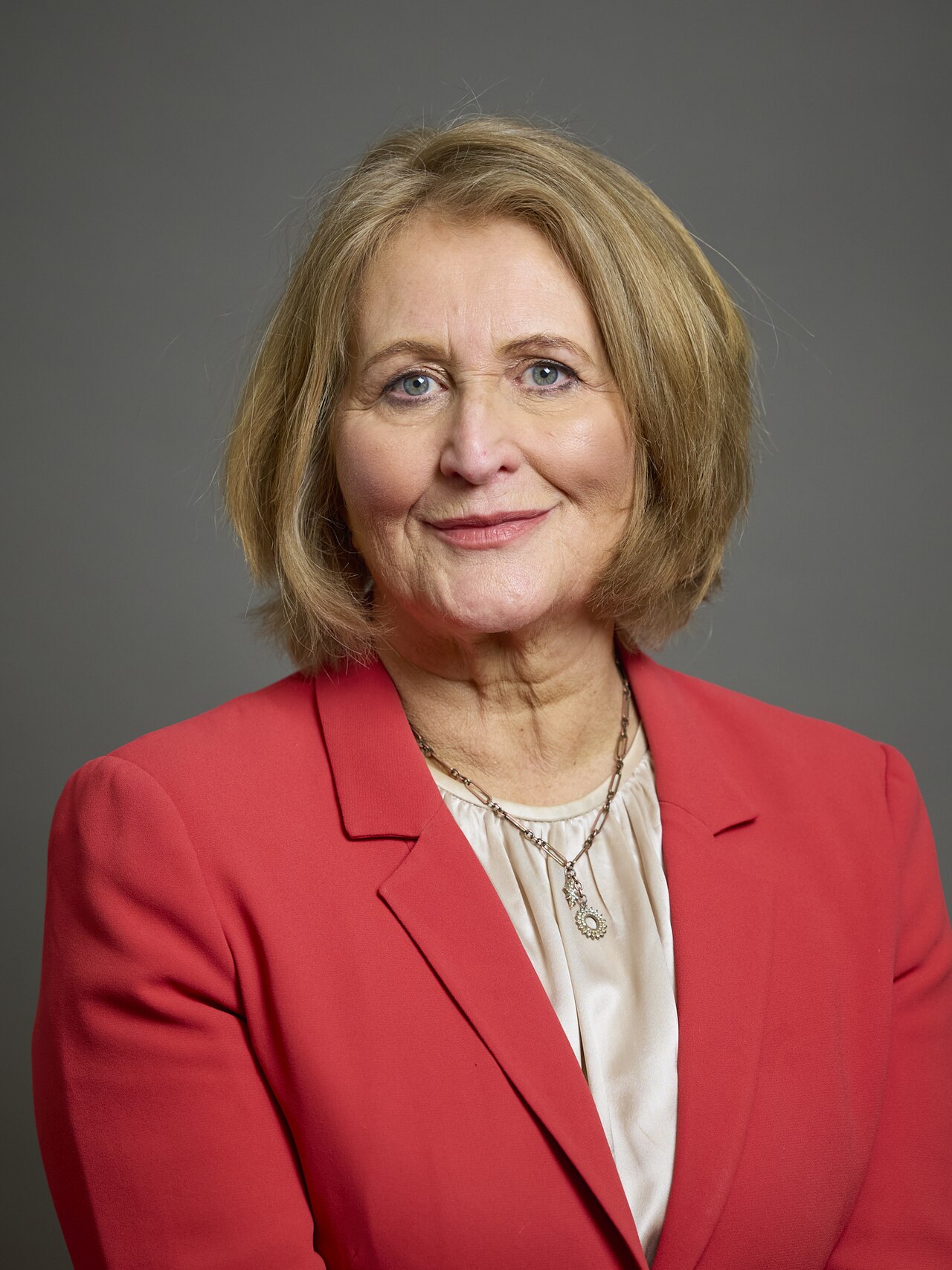
This inquiry, chaired by Baroness Anne Longfield, has the power to compel people to explain their catastrophic failures. Instead, it’s busy drawing up a travel itinerary. First it was Oldham, Bradford, Keighley, and London. Now, Birmingham and Wales get added to the sightseeing tour of institutional neglect. The criteria for selection sounds like a fucking consultancy buzzword bingo card: ‘victim and survivor treatment, missed opportunities, prevalence, harm, risk, and public concern.’ They forgot ‘capacity for endless fucking meetings.’
Survivors, the actual people who were fucking abused, are already calling bullshit. Fiona Goddard, a survivor from Bradford, welcomed it but pointed out the obvious: this expanding scope risks turning a ‘deep dive’ into a paddling pool. Meanwhile, Carly, from Huddersfield, nailed the absurdity: how the hell is an investigation covering the entire country of Wales a ‘targeted’ probe? It’s a geographical dick-measuring contest where the only thing getting smaller is the chance of real accountability.
The inquiry’s big innovation is a ‘National Listening Project’ - expanded so victims can share their experiences into what will presumably be a state-funded void. Solicitor Amy Clowrey asks the crucial question: what happens to evidence from places *not* on the inquiry’s fucking holiday list? Crickets.
So here we are. Baroness Longfield’s panel will ‘examine what organizations knew, how decisions were made, and why opportunities were missed.’ Fantastic. Maybe they can also examine why this whole process feels like a cowardly, glacial exercise in managed disappointment, designed to outlast the public’s attention span and the survivors’ hope. They’re not investigating crime; they’re curating a museum of failure, one painstakingly slow, bureaucratic exhibit at a time.