The facts
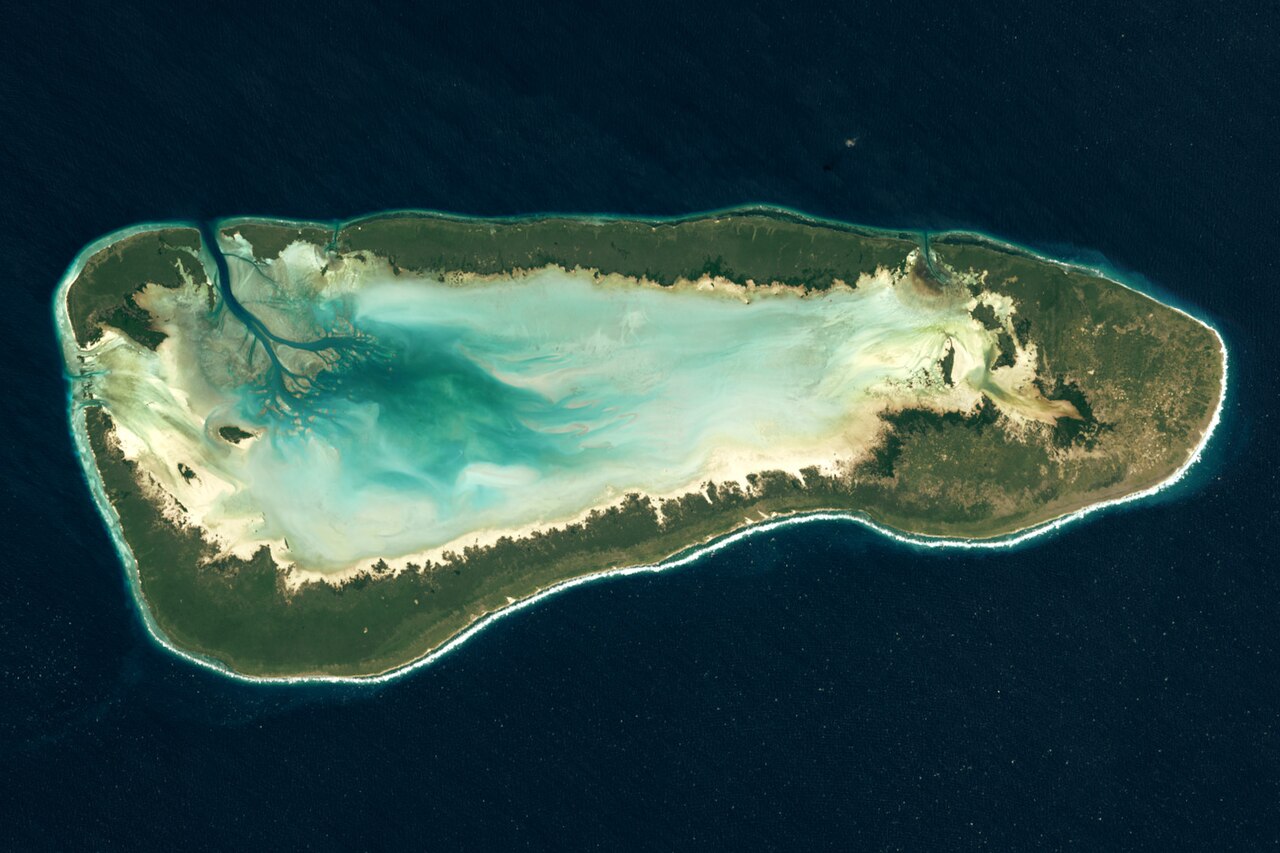
A five‑year survey (2018‑2022) of the Aldabra giant tortoise population on Aldabra Atoll, Seychelles, found roughly 180,000 tortoises, the highest count ever recorded for the species. The study, published in *Ecology and Evolution* and led by the Seychelles Islands Foundation (SIF) together with the University of Exeter, updates a widely cited 1990s estimate of about 100,000. Researchers estimate the adult and sub‑adult population at almost 183,000. The atoll, one of only two wild habitats for giant tortoises, became a strict nature reserve in 1981 and a UNESCO site in 1982 after numbers fell below 1,000 in the 19th century. Dr. Frauke Fleischer‑Dogley, CEO of SIF, called the result “proof of what long‑term commitment to conservation can achieve.” The authors warn that climate‑driven droughts, sea‑level rise and invasive mammals such as feral cats and black rats could threaten future growth.
Our take
Well, shit. The conservationists have pulled off the ultimate slow‑motion takeover: 180,000 giant tortoises now outnumber the people of Seychelles. That’s not a population, it’s a moving mountain range with shells. Dr. Frauke Fleischer‑Dogley proudly calls it proof of long‑term commitment – no surprise, given a reserve declared in 1981 has let these indestructible reptiles do their thing while the rest of us scramble. The irony is delicious: scientists celebrate a triumph of doing fuck‑all, yet they’re already fretting about climate‑driven droughts, rising seas and a few feral cats and rats. A rat versus a tortoise is like a gnat trying to mug a tank – the tortoise won’t even notice the nibble. The real threat isn’t predators; it’s the sheer boredom of a species that will outlive our grandchildren and probably the concept of time itself. As these armored behemoths continue to multiply, the only thing that might slow them is a future where humans finally learn to respect the slow, hard‑shelled patience of nature. Fucking magnificent bastards, indeed. The planet just handed us a new set of reptilian overlords, and we’re all stuck watching the slowest, most relentless land‑grab in history.