The facts
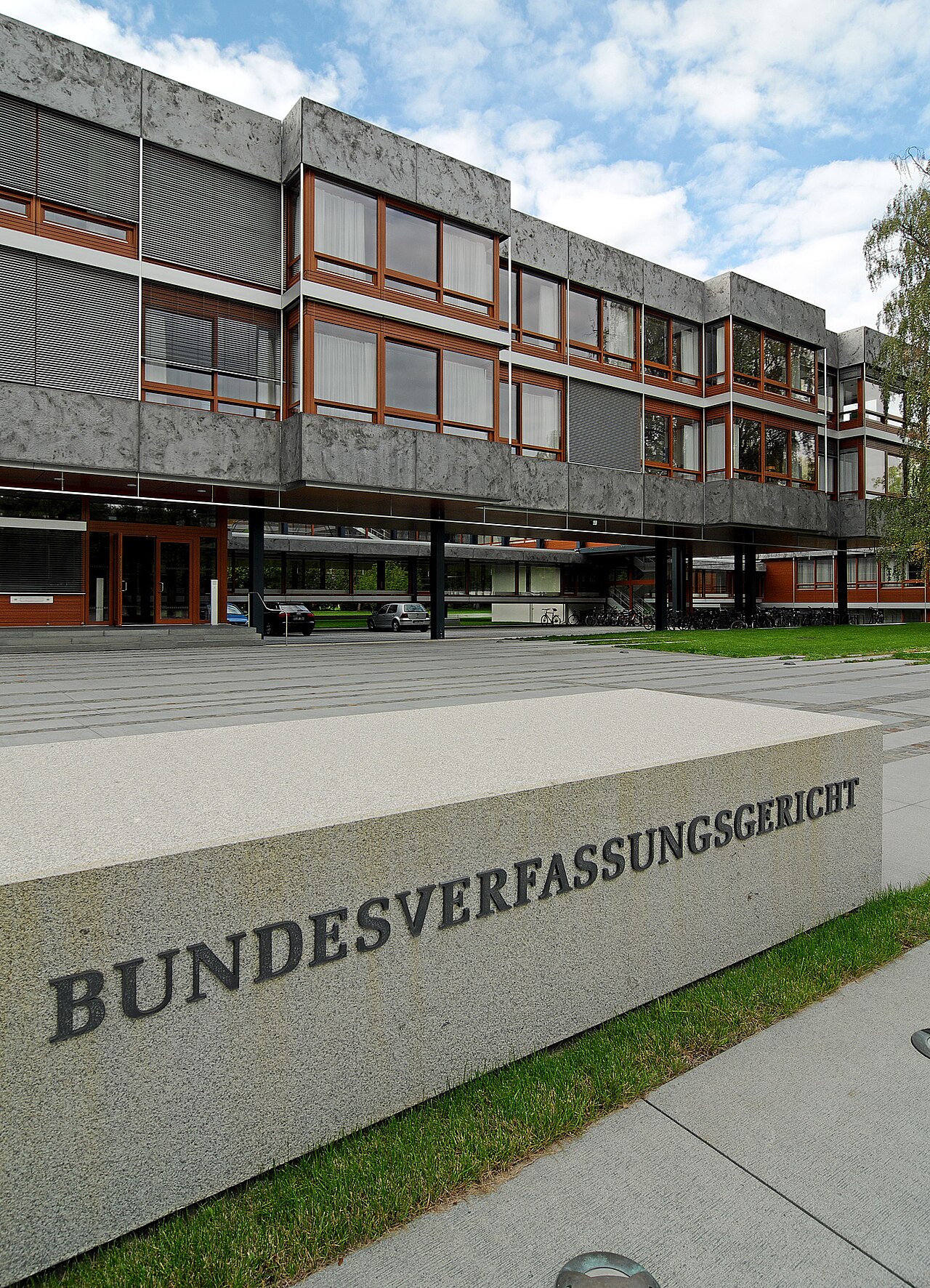
A YouGov poll commissioned for the court’s 75th anniversary found that 66 % of Germans trust the Federal Constitutional Court, still higher than the Bundesrat (47 %), the Bundestag (38 %) and the Federal Government (29 %). A 2025 Allensbach Institute study showed trust was 81 % in 2021, indicating a decline. Analysts link part of the drop to the court’s decisions during the COVID‑19 pandemic, which some say compromised its independence. Former professor Christine Landfried told DW that while constitutional courts inevitably handle political questions, their rulings must be grounded in legal argument. Former judge Gertrude Lübbe‑Wolff argues the court’s composition no longer mirrors Germany’s political landscape and proposes reforms such as publicly advertising judge vacancies to reduce party influence. She also suggests allowing the far‑right Alternative for Germany (AfD) to put forward candidates, a proposal Landfried opposes because of the party’s extremist elements and Germany’s historical sensitivities.
Our take
Well, fuck. The German Federal Constitutional Court, once the gold standard of public trust, is now sliding down a slippery slope while still managing to look better than the rest of the government’s circus. A drop from 81 % to 66 % may sound dramatic, but the rest of the political machine is so distrusted that 66 % feels like a victory lap. The court’s own former judge, Gertrude Lübbe‑Wolff, says the problem is a stale, party‑driven appointment system and suggests a radical fix: treat judge openings like any other job posting. Imagine a job ad that reads, Wanted: Constitutional Judge. Must love the rule of law, but we’re open to a little political spice. The joke lands because the idea of a LinkedIn ad for a constitutional seat is absurdly bureaucratic, yet it highlights how politicised the process has become. Lübbe‑Wolff also wants the far‑right AfD to be allowed to nominate candidates, arguing that true plurality means even the most controversial parties get a seat at the table. Christine Landfried, however, points out that Germany’s Nazi past makes any invitation to extremist elements a dangerous gamble. She warns that letting the AfD in could erode the very safeguards that keep the court from becoming a tool of radical ideology. The underlying tension is clear: the court is caught between preserving its legitimacy and adapting to a fragmented parliament where the traditional CDU‑SPD duopoly no longer holds sway. Reform proposals that sound like satire - advertising judicial posts, opening the door to extremist nominees - are being debated seriously, reflecting a crisis of confidence that could reshape Germany’s constitutional guardianship. The outcome will determine whether the court can regain its stature or become another pawn in Germany’s increasingly polarized political game.