The facts
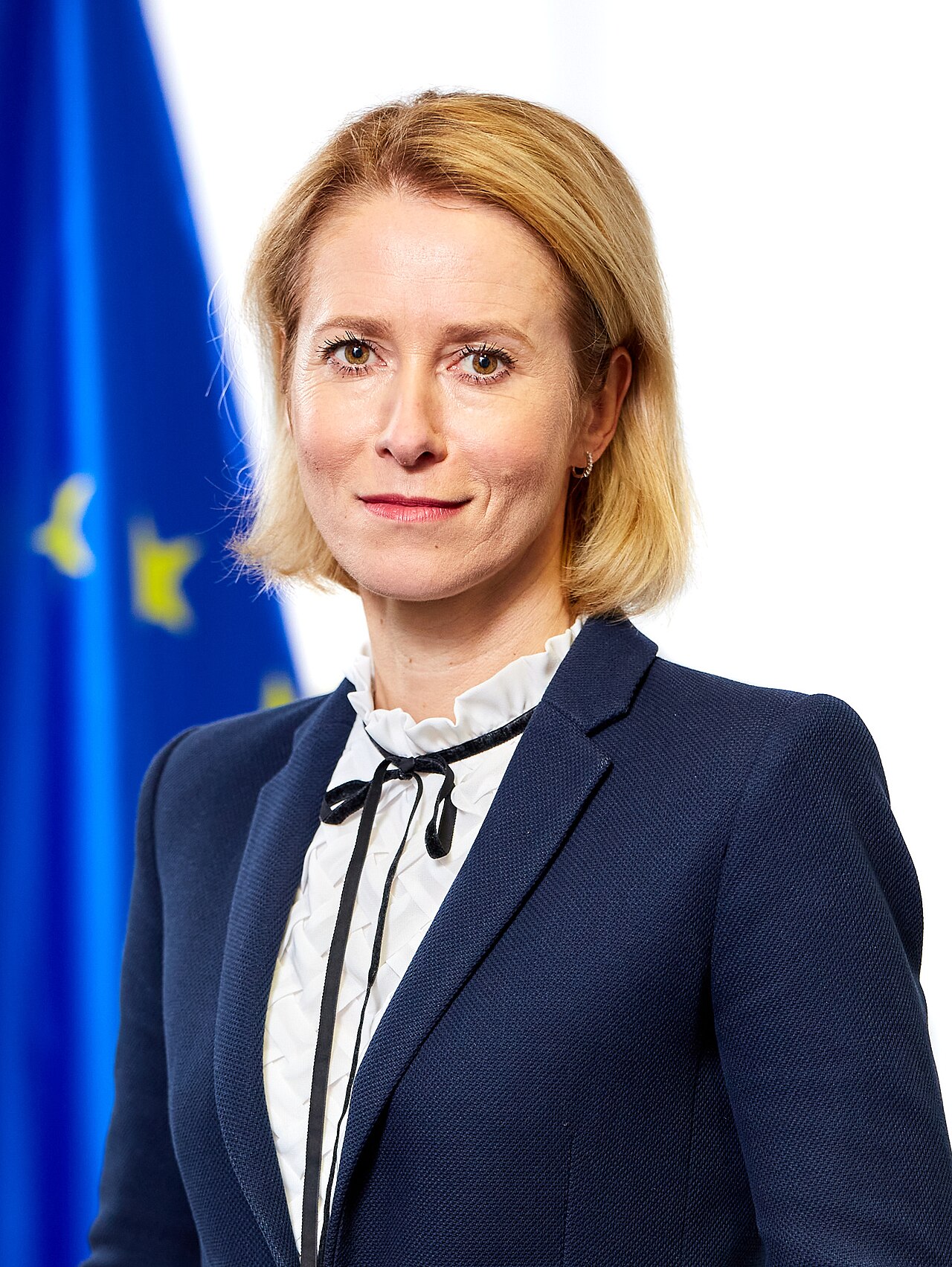
The European Union approved its biggest sanctions package to date, aimed at more than 1,000 entities linked to Russia’s military‑industrial complex. The decision was taken at an EU foreign ministers’ meeting in Luxembourg. German foreign minister Johann Wadephul described the measures as an “unprecedented sanction blow” to President Vladimir Putin’s war in Ukraine. He said the new steps would make it harder for Putin to continue his war of aggression and to wear down Ukraine’s civilian population through murderous bombing campaigns. The package targets roughly 1,600 individuals and businesses tied to the war effort and an additional 77 persons and groups connected to what the EU calls illegal elections in occupied Ukrainian territories. EU foreign policy chief Kaja Kallas posted on X that the list represents the single largest expansion of our sanctions list since Russia started its war…more than half are linked to the ballistic‑missile production chain. She added that the measures would make it significantly harder, slower and more expensive for Russia to produce the weapons it uses to kill Ukrainians.
Our take
Well, holy **fucking shit**, stop the presses. The EU’s bureaucratic circus has finally managed to agree on a new spreadsheet of names, and they’re calling it a game‑changer. German foreign minister Johann Wadephul, ever the master of grandiose phrasing, called the package an “unprecedented sanction blow.” In reality, it’s a list of 1,600 plus individuals and firms whose only crime is being tied to a war machine that’s been raining death on civilians. Kaja Kallas bragged on X that this is the “single largest expansion” of the sanctions list, noting that half the entries are linked to ballistic‑missile production. That’s a mouthful for what is essentially a bureaucratic version of we’ve added more names to the blacklist. The EU’s message, wrapped in diplomatic jargon, is that they’re making it “harder, slower and more expensive” for Russia to arm itself. It sounds impressive until you remember that a few extra compliance steps won’t stop a regime that already has a sprawling supply chain and a willingness to bomb maternity wards. Polish Prime Minister Donald Tusk hinted that the West should consider even tougher measures, but his suggestion is drowned out by the clatter of pens being sharpened for the next round of paperwork. The whole exercise feels less like a strategic deterrent and more like a performance art piece where the actors think a nicely formatted list can substitute for real action. Meanwhile, on the ground in Ukraine, cities are still under fire, energy grids are being crippled, and civilians are scrambling for heat in a bitter winter. The EU’s “unprecedented blow” is, at best, a symbolic slap on the wrist of a war criminal who already ignores international law. It’s a reminder that bureaucratic triumphs are hollow when the human cost continues to rise. **Fuck** this charade – if the EU wants to make a dent, it needs to move beyond filing forms and start delivering tangible, enforceable constraints that actually choke off the flow of weapons, not just add more rows to a spreadsheet.