The facts
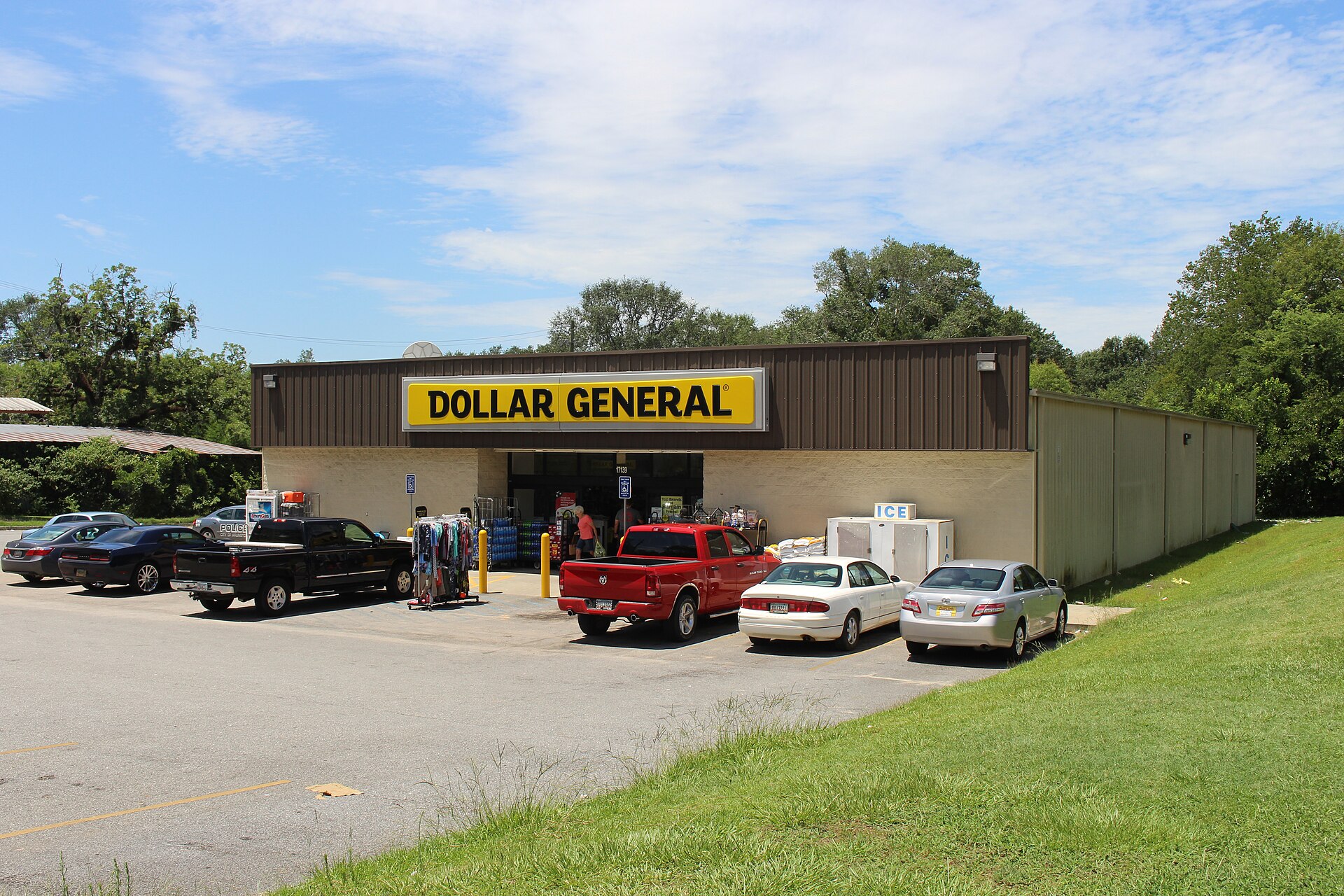
The Federal Trade Commission and attorneys general from 20 states have filed a lawsuit against Dollar General Corp. in the U.S. District Court for the Middle District of Tennessee. The complaint alleges that the retailer routinely charged shoppers higher amounts at the register than the prices displayed on shelves, in flyers and on its website. According to the filing, Dollar General had extensive knowledge of the pricing discrepancies but failed to correct them. Dollar General, headquartered in Goodlettsville, Tennessee, did not immediately respond to AP’s request for comment.
Our take
Well, look who finally got caught with their grubby little hands in the cookie jar – or, more accurately, with their greasy fingers on the register keypad, quietly adding a few extra bucks to your total. Dollar General, the corporate mascot for economic despair, is being sued by the FTC and a whole fucking posse of 20 states for allegedly lying about prices. The store that sells sadness in a can alongside off‑brand Cheetos apparently also sells a fantasy: that the price on the shelf has any fucking connection to reality. The lawsuit says the company knew its prices were bullshit and just let the scam run, a claim backed by the FTC’s filing that describes “extensive corporate knowledge” of the problem. That knowledge, according to the complaint, was not used to fix the issue, leaving shoppers in vulnerable communities to foot the bill for a hidden surcharge on everyday items. The practice harms people already struggling to stretch their paychecks – no surprise, but still a damning indictment of a business model that seems to thrive on exploiting the financially fragile. Dollar General hasn’t commented, which is the corporate equivalent of a kid with crumbs all over his face denying he ate the cake. It’s a special kind of parasitic cowardice to look at people already struggling and think, You know what this situation needs? A hidden fucking surcharge on this loaf of bread. The lawsuit paints a picture of systematic overcharging rather than occasional error, suggesting a calculated, systemic dick move. If the retailer wants to clean up its act, it will need to overhaul its pricing systems, provide transparent price matching, and actually honor the numbers it advertizes. Until then, shoppers should double‑check receipts, compare shelf tags to register totals, and consider taking their business elsewhere. Absolute cunts.