The facts
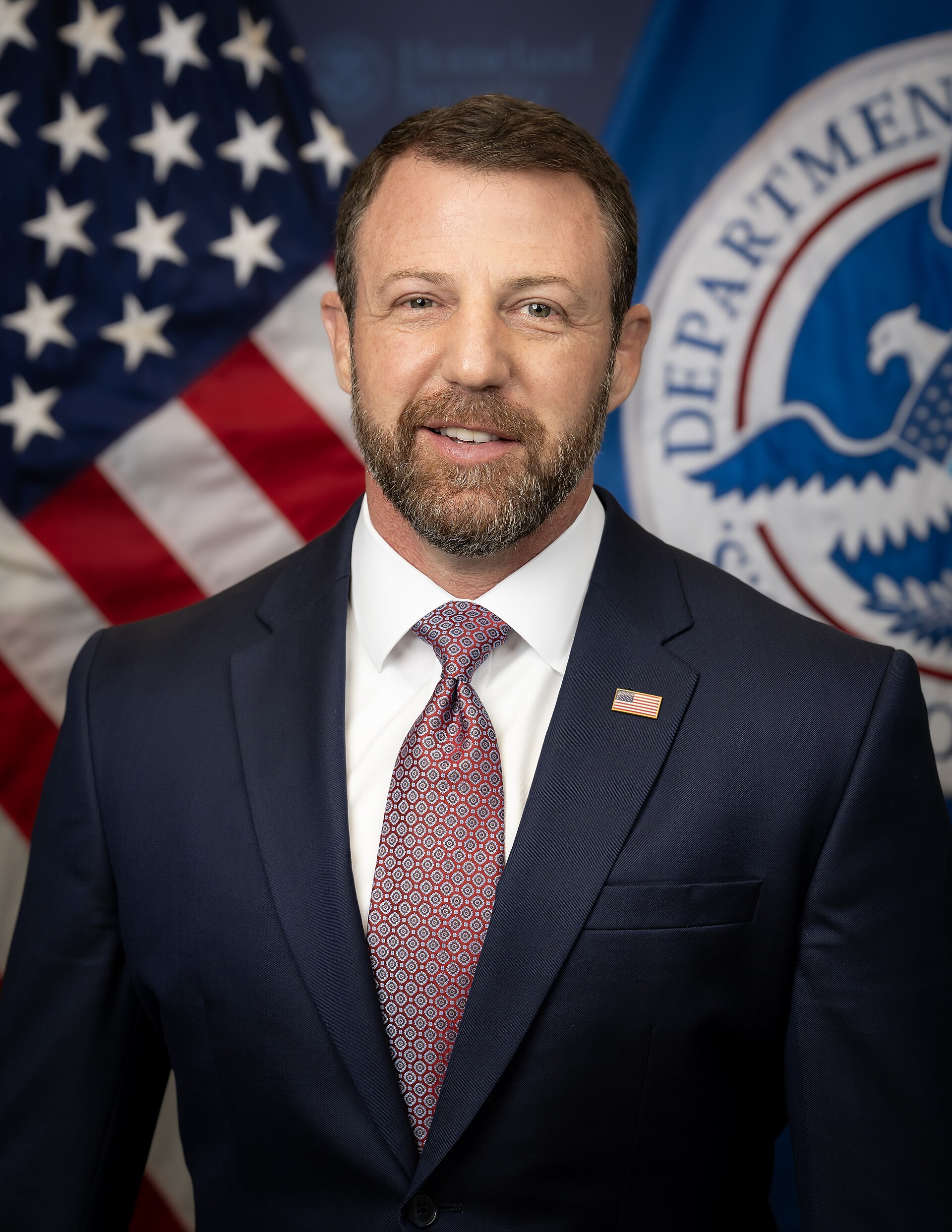
U.S. Department of Homeland Security Secretary Markwayne Mullin told CBS’s Face the Nation that he sees no elevated national‑security risk in the planned execution of former Army Major Nidal Hasan, who was convicted of killing 13 soldiers at Fort Hood in 2009. Hasan’s execution by firing squad is scheduled for December, which would be the first public execution in the United States in almost a century and the military’s first firing‑squad execution since World War II. Republican Senator Lisa Murkowski called the proposal “gruesome” and likened it to tactics used by terrorists and dictators. Democrat Senator Mark Warner warned that a public execution could give terrorist groups a propaganda victory and increase risks to Americans abroad. Mullin reiterated that people need to understand that if you attack America, we will come after you, and we will make sure the punishment fits the crime.
Our take
Markwayne Mullin, the DHS chief who seems to think he’s auditioning for a reality‑TV villain role, is pushing a firing‑squad execution as a showcase of American resolve. He strutted onto Face the Nation and declared, with the confidence of a man who’s never had to answer for a bad fucking policy, that there’s no elevated risk to national security. That line is about as useful as a screen door on a submarine. The reality is that broadcasting a man’s death turns a solemn act of justice into a grotesque spectacle, handing extremist recruiters a high‑definition martyr‑making machine on a silver platter. Even Republican Senator Lisa Murkowski, who usually cheers any tough‑talk, called the plan “gruesome” and compared it to the tactics of dictators. Democrat Mark Warner warned it could be a propaganda victory for terrorist groups, a concern Mullin brushed off like a fly on a windshield. The irony is thick: the very people who claim to protect America are willing to turn a state‑sanctioned killing into a public performance, as if the nation’s moral compass needs a louder soundtrack. This isn’t about deterrence; it’s about vanity, ratings, and a desperate grab for relevance in a media‑saturated age. The plan would make the United States the first Western democracy in a century to broadcast an execution, a move that feels less like justice and more like a twisted PR stunt. If the goal is to deter future attacks, turning a solemn punishment into a televised event is likely to backfire, feeding the narrative that the U.S. government enjoys spectacle over substance. In short, Mullin’s “no risk” mantra is a hollow refrain that ignores the very real danger of turning a state‑run killing into a global headline. The only thing that should be livestreamed is the moment this policy gets scrapped.