The facts
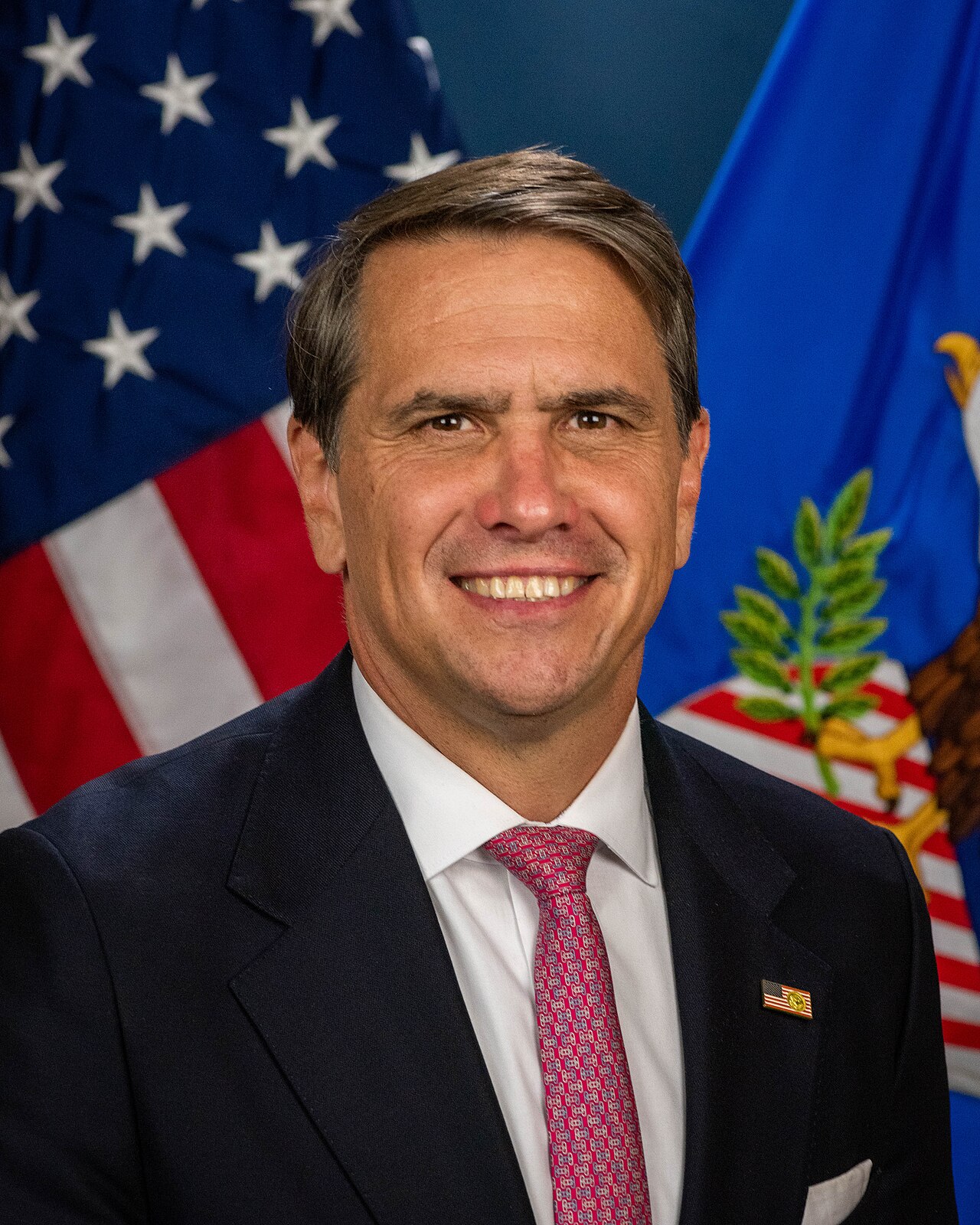
Attorney General Todd Blanche has drawn criticism for recent political appearances ahead of the midterms. He spoke at the Republican Party’s midterm convention, telling the crowd that President Trump will hold them accountable. He later addressed a rally in New York supporting gubernatorial candidate Bruce Blakeman and a North Carolina event praising Senate hopeful Michael Whatley. Ethics experts, including former DOJ official Joseph Tirrell, say an attorney general’s public endorsement of candidates creates the appearance of partisan bias and may breach the Hatch Act, which limits political activity by federal employees. Claire Finkelstein, a law professor at the University of Pennsylvania, notes that enforcement of Hatch Act complaints is uncertain because the agencies that investigate are perceived as lacking independence. The DOJ maintains that Blanche’s appearances were made in his personal capacity, cleared by ethics officials, and that he did not engage in political fundraising.
Our take
Todd Blanche is the kind of dickhead who thinks he can wear the Attorney General badge like a costume, then shrug it off and claim every political cameo is just private theater. At the GOP midterm convention he introduced himself in his official capacity and shouted that President Trump will hold the audience accountable, then repeated the same script in New York for Bruce Blakeman and in North Carolina for Michael Whatley. The joke is that he uses the weight of the nation’s top law‑enforcement officer to lend credibility to partisan candidates, while the Justice Department insists the appearances were “personal‑capacity” and cleared by ethics officials with no fundraising involved. Joseph Tirrell warned that the office is too prominent for even personal‑capacity statements on behalf of candidates, because the public sees the badge, not a private hat. Claire Finkelstein added that Hatch Act complaints often fizzle out because the investigative agencies lack true independence from the White House. In practice, Blanche’s speeches turn a legal safeguard into a stage act, blurring the line the Hatch Act was designed to draw. Each rally adds another layer of hypocrisy: the New York event for Blakeman, the North Carolina stop for Whatley, all supposedly vetted behind a curtain that never existed. The public watches the nation’s chief law enforcer sprint across the very line he swore to protect, while the ethics stamp dries in his pocket. The absurdity is that the badge supposedly stays on the rack the moment he opens his mouth for a campaign ticket, yet he walks away with it firmly fastened. Blanche’s performance is a tired magic trick that pretends the audience will ignore the obvious: the badge is still there, and it matters.