The facts
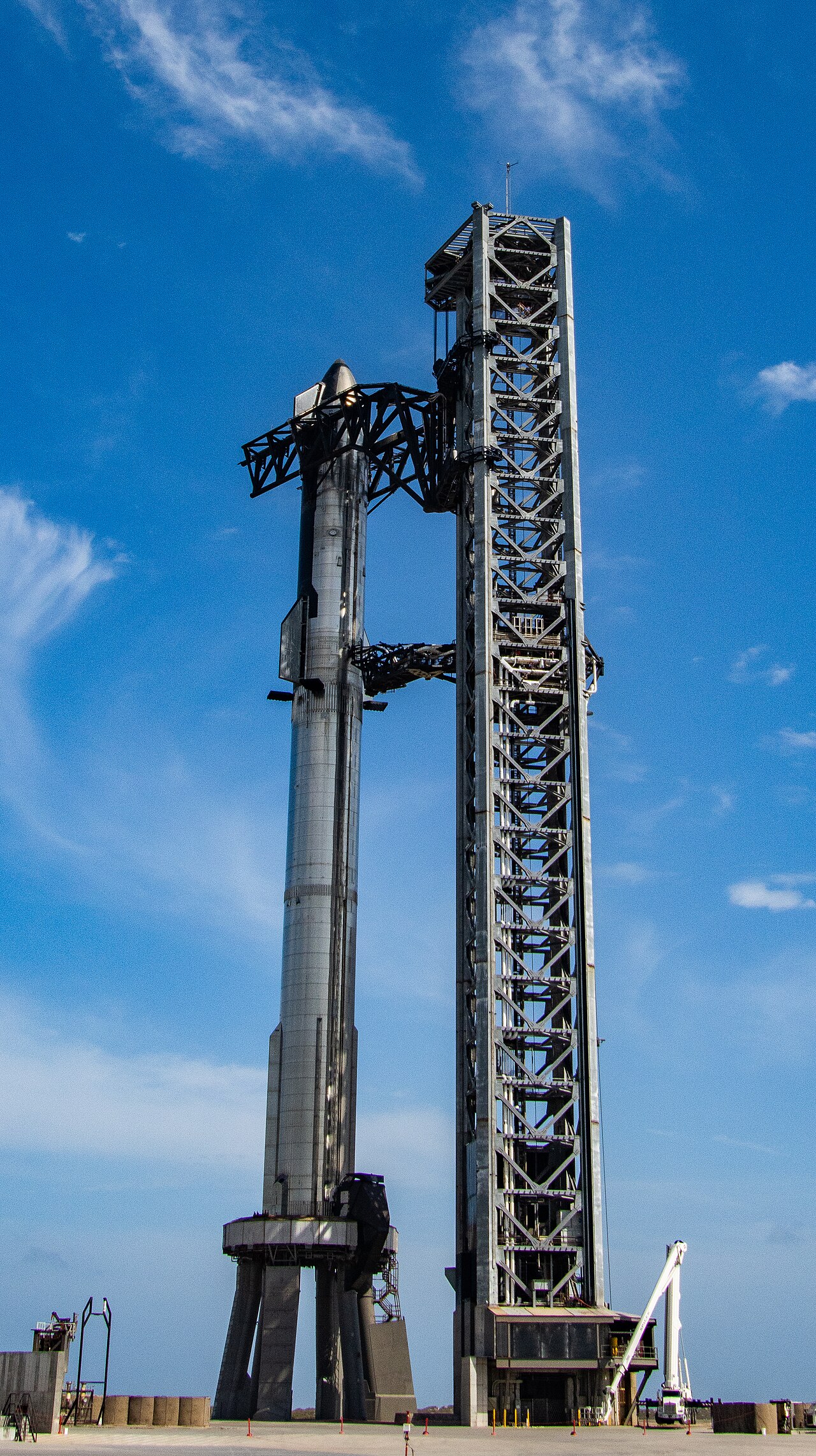
On October 14, 2026 the Federal Aviation Administration (FAA) published a notice (FR Doc No: 2026‑20963) announcing its intent to prepare a Programmatic Environmental Impact Statement (PEIS) for SpaceX’s proposal to expand Starship‑Super Heavy operations at the Boca Chica Launch Site, Starbase, Texas. Currently SpaceX is authorized for up to 25 launches and 50 landings per year. The proposed action would allow up to 456 launches and 912 landings annually, split into Phase 1 (up to 100 launches, 200 landings) and Phase 2 (up to 456 launches, 912 landings). The FAA assumes half of the activities would occur during daylight (7 a.m.–10 p.m.) and half at night (10 p.m.–7 a.m.). Comments must be submitted by November 30, 2026 via the Federal E‑Rulemaking Portal (search Docket No. FAA‑2026‑12808) or by U.S. mail to Ms. Amy Hanson, FAA Environmental Protection Specialist, c/o Kimley‑Horn, 767 Eustis Street, Suite 100, St. Paul, MN 55114. The PEIS will evaluate impacts on air quality, wildlife, wetlands, noise, children’s health, visual effects, and other environmental resources, with consultations from the U.S. Fish and Wildlife Service and the National Marine Fisheries Service.
Our take
SpaceX isn’t politely asking for a bigger sandbox; it’s filing a massive expansion request that would turn a quiet stretch of Texas coastline into a near‑constant fireworks show. The FAA’s notice makes clear that the fucking agency is merely opening a comment window, not granting SpaceX any new rights. Yet the sheer scale of the proposal - up to 456 launches and 912 landings a year, half of them in the dead of night - makes it feel less like a regulatory process and more like a bureaucratic obstacle course for anyone who values sleep, clean air, or the occasional quiet sunset. The language in the notice is clinical: “FAA is requesting comments concerning the scope and content of the PEIS.” It does not attribute any demand to SpaceX, nor does it suggest that the public must mail complaints to Minnesota out of some punitive whim. Instead, the comment process is standard: submit electronically or, if you prefer the nostalgic feel of paper, mail your thoughts to a specialist in St. Paul. That’s a reasonable, if oddly distant, way to gather input on a project that could generate enough noise and emissions to make a small town feel like a launchpad for a perpetual space‑race. The environmental review will have to grapple with real concerns - air‑quality degradation, disruption to fish and bird habitats, increased noise, and the psychological toll on children who might hear rockets roar overhead at 3 a.m. The FAA’s consultation with wildlife agencies underscores that these aren’t abstract worries; they’re concrete impacts that will be modeled and debated. For residents of Boca Chica and nearby communities, the prospect of nightly launches is a nightmare that feels almost cinematic in its dystopian flair. The FAA’s role here is to balance the nation’s ambition for space exploration with the rights of ordinary people to breathe, sleep, and watch a sunset without a rocket plume blotting out the stars. If the public’s voice is heard - whether through a digital comment or a mailed letter - perhaps the final PEIS will temper the most extreme scenarios and force SpaceX to consider quieter, less invasive operational patterns. Until then, the sky over Texas remains a contested arena, and the comment period is the only official avenue for anyone who wants to say, in their own words, Enough is enough.