The facts
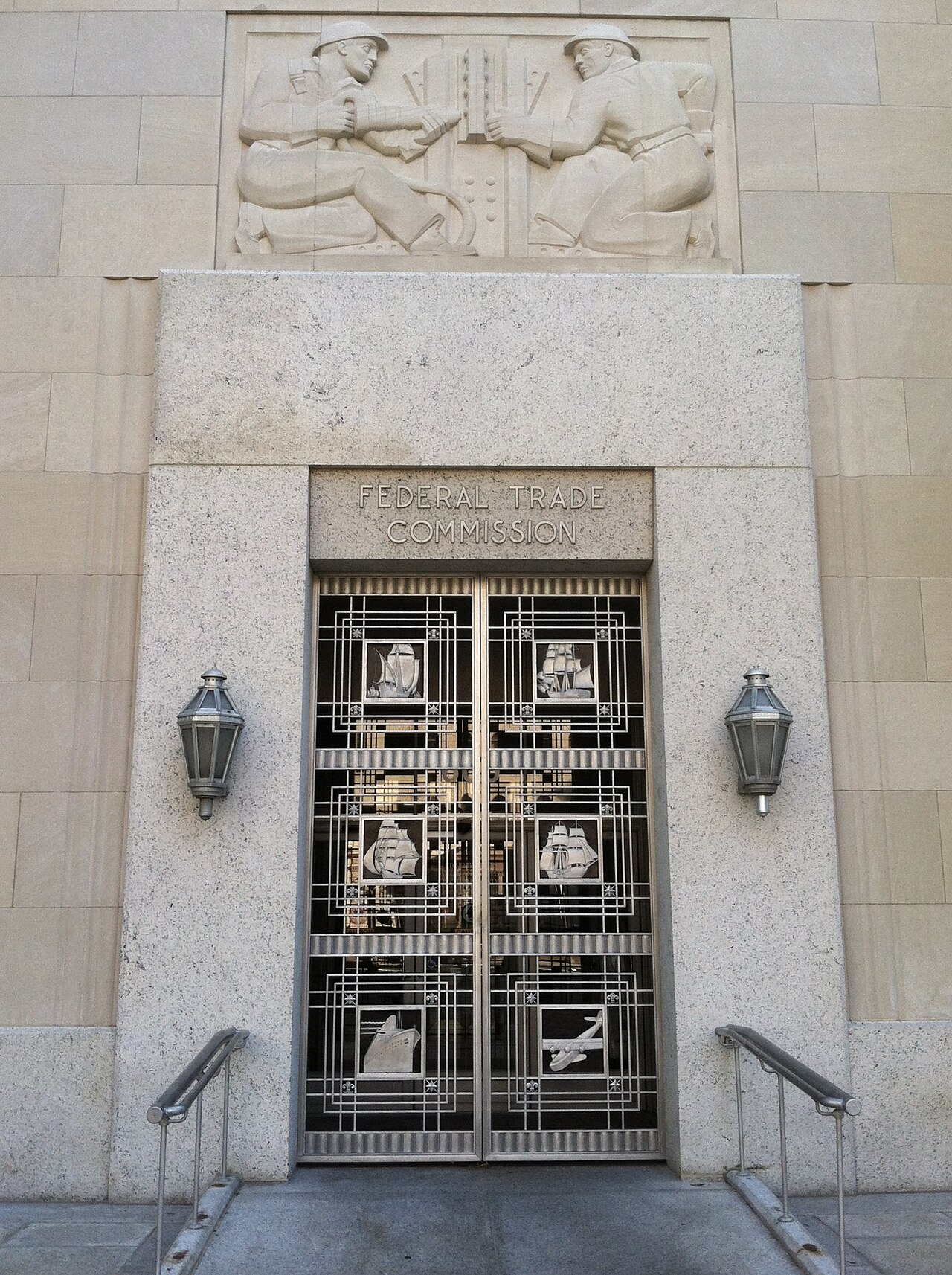
The Federal Trade Commission filed a complaint alleging that Digital Forensics Corporation LLC and its owner Dmitry Belkin misled victims of sextortion into paying at least $60 million. Victims were sold a “Phase 1” package priced between $1,499 and $20,000 that promised tracking the sextortionist, communicating with them, producing an investigative report and reporting the crime to law enforcement. The FTC says the company often failed to perform these services and instead simply blocked the sextortionist on the victim’s social‑media accounts, created fabricated chat transcripts and never contacted law enforcement. The complaint also alleges the firm suppressed negative reviews and generated thousands of fake positive reviews, including purchasing five‑star testimonials from Uber drivers who had never used the service. The FTC cited violations of the FTC Act, the Telemarketing Sales Rule, the Reviews and Testimonials Rule and the Gramm‑Leach‑Bliley Act. The complaint was filed in the U.S. District Court for the Northern District of Ohio and the commission voted 2‑0 to pursue the case.
Our take
Fuck these scammers. The FTC’s complaint paints a picture of a predatory scheme that preys on people already terrified by blackmail and sells them a $1,500‑to‑$20,000 “Phase 1” package that, according to the agency, mostly amounts to hitting the block button on a social‑media profile – a task any victim could do with a thumb. The company then upsells a “Phase 2” service that never materializes, turning victims’ fear into a multi‑phase extortion racket. Their ads brag about tracking cyber criminals worldwide and delivering evidence to law enforcement, yet the FTC says they fabricated chat logs and investigative reports while advising victims not to block the attackers themselves, directly contradicting FBI guidance. To protect a tarnished reputation, Digital Forensics allegedly bought thousands of fake five‑star reviews, even paying Uber drivers who never used the service to post glowing testimonials. This sham operation not only siphoned at least $60 million from vulnerable consumers but also weaponized their terror for profit. The FTC’s 2‑0 vote to bring the case forward shows that regulators are finally cracking down on a scheme that turned extortion into a lucrative business model. The bottom line: these dickheads are nothing more than professional grifters masquerading as cyber‑crime fighters, and they deserve every ounce of the legal heat coming their way.