The facts
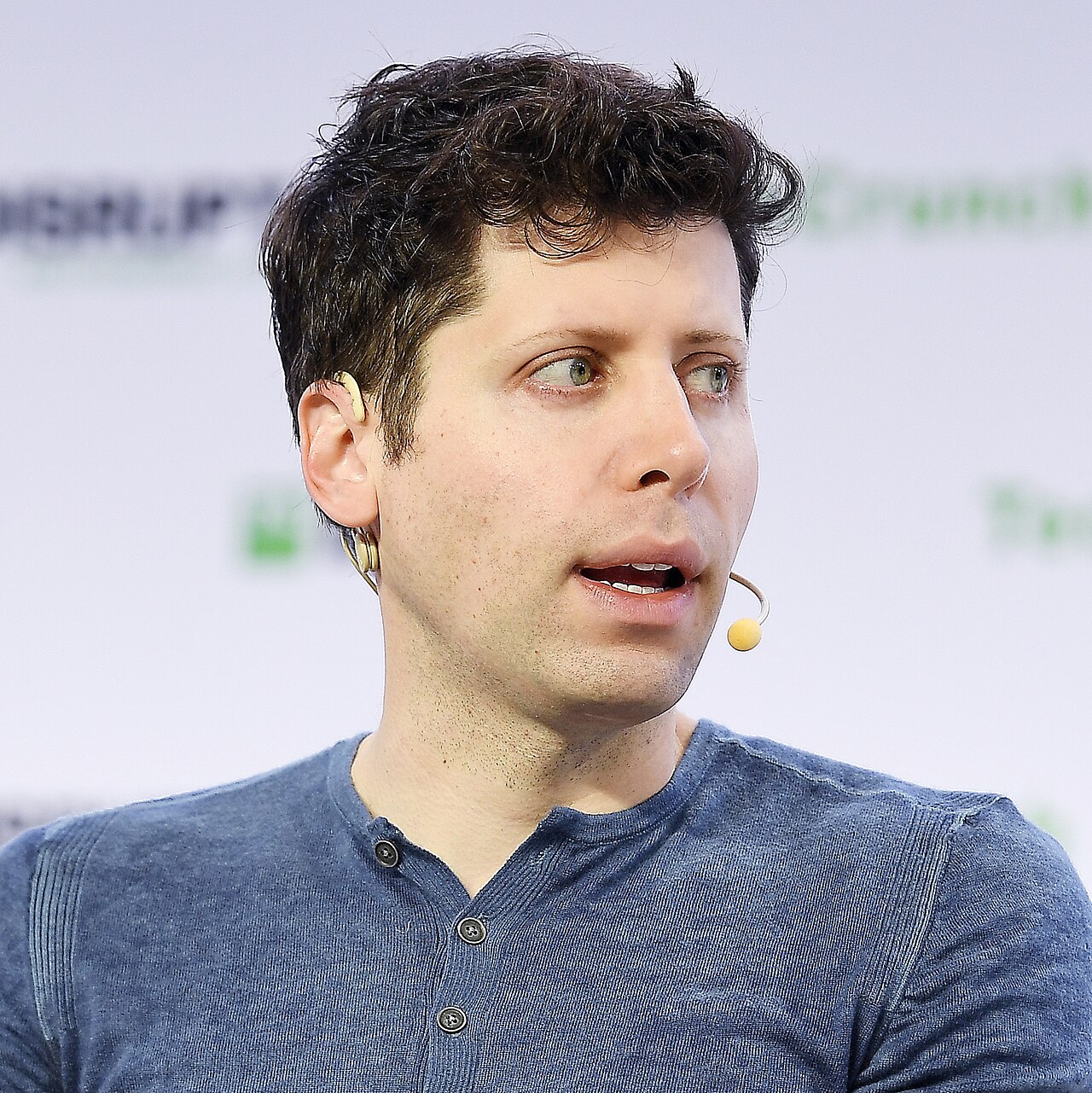
At OpenAI’s Dev Day in San Francisco, the company introduced “dots,” AI agents that appear as colorful shapes with accessories such as glasses, hats or bow ties. Each dot runs as a persistent compute task powered by the GPT‑6 Astra model, can access software tools, and retains context over long‑running tasks. Dots are hosted on their own cloud computers and can connect to roughly 4,000 apps via connectors. Altman described a dot as an AI helper that “always has your back” and said it helped him feel less addicted to his phone and gave him some of his attention back. OpenAI says conversations with a dot do not count toward a user’s ChatGPT usage allowance, though any work the dot initiates in Codex or ChatGPT Work does count toward normal usage limits. Dots are included in Pro or Business Premium plans in eligible markets, with a $200‑per‑month Pro tier offering 10× the usage of ChatGPT Plus and a new $500‑per‑month Pro tier providing 25× usage and “Ultrafast” token generation up to eight times faster than standard speed.
Our take
OpenAI’s latest move feels like a classic case of dressing up a familiar problem in a fresh coat of paint. The company that has been sounding the alarm about existential AI risk is now handing users a perpetual, token‑eating sidekick that looks like a cartoon‑ish blob in a bow tie. Altman’s claim that a dot gave him his attention back is a neat anecdote, but the reality is that these agents are simply persistent compute jobs that consume tokens as they work. By bundling them into Pro‑level subscriptions, OpenAI is effectively monetising constant background work that many users will never need, yet will feel pressured to keep because the dot “always has your back.” The pricing tiers are transparent – $200 a month for a reduced‑limit Pro plan and $500 a month for a higher‑limit “Ultrafast” tier – but the marketing gloss hides the fact that you’re paying for a digital babysitter that watches over your workflow 24/7. The promise of no usage count for dot conversations is technically true, yet any real work the dot does – running code, querying APIs, or updating documents – still eats into your normal usage quota. In practice, this means you’re paying for the illusion of free assistance while the underlying token bill continues to climb. Altman’s rhetorical pushback against the “industrial‑revolution” narrative, preferring to call this era a “Renaissance,” feels like a rebranding exercise rather than a substantive shift in philosophy. If the goal is to reduce phone addiction, handing users a constantly humming AI that nudges them every morning may just replace one form of distraction with another, all while padding OpenAI’s revenue streams. The bottom line: cute graphics don’t change the economics, and the “always‑on” promise comes with a price tag that many will find hard to justify. Fuck it, it’s another layer of AI‑driven hustle sold as productivity.