The facts
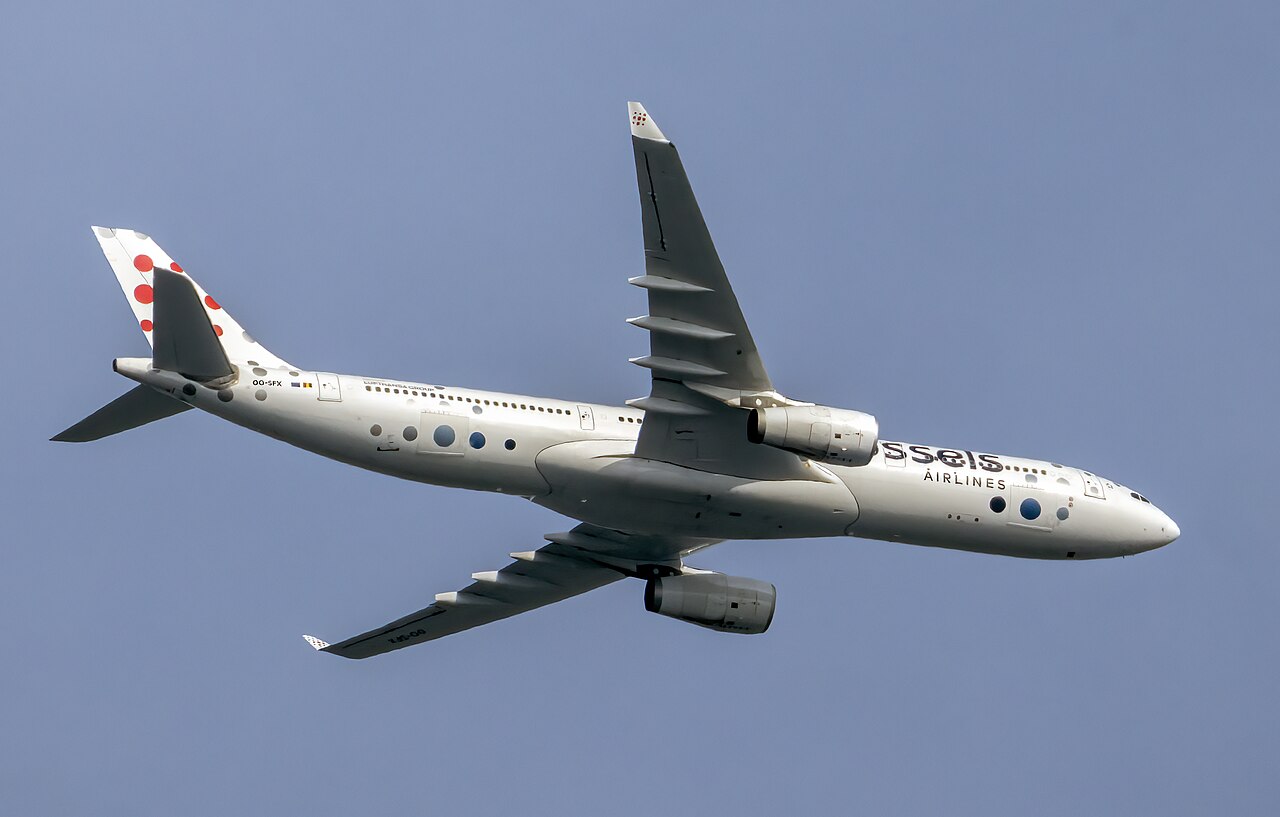
On October 19, 2026 the Federal Aviation Administration published final rule FR Doc 2026‑21325, adopting Airworthiness Directive AD 2026‑21‑03 for Airbus A330‑243, A330‑243F, A330‑341, A330‑342, A330‑343, A330‑841, A330‑941, A340‑211, A340‑212, A340‑213, A340‑311, A340‑312, A340‑313, A340‑541 and A340‑642 airplanes. The directive, effective November 23, 2026, responds to EASA AD 2026‑0060R1, which reported leaks on closed fuel low‑pressure shut‑off valves (LPSOVs) caused by seal failure. A leaking LPSOV can feed a fire and prevent its extinguishment, risking structural damage. The FAA requires repetitive leak checks of the affected valves and replacement of any discrepant part. It estimates up to eight work‑hours at $85 per hour ($680) per airplane for checks, totaling up to $78,200 for U.S. operators, and $10,425 per airplane for on‑condition replacement. The Air Line Pilots Association, International (ALPA) submitted a comment supporting the NPRM without change.
Our take
Airbus gave us a valve whose job is to stop fuel, then let it drip like a busted garden hose. The FAA’s answer? Tell every airline to keep staring at the same valve over and over, hoping the leak will magically disappear. That’s like telling a homeowner with a leaky roof to check the ceiling daily instead of fixing the shingles. The regulatory language reads like a bureaucratic lullaby: “repetitive leak checks” and no increase in economic burden. It’s a classic case of paperwork over engineering.
Pilots, the people who actually sit in the cockpit when a fire could ignite, gave a brief nod - ALPA “supported the NPRM without change.” No fanfare, no hyperbole, just a pragmatic endorsement of a rule that forces more paperwork, not a better part.
The irony is thick enough to choke on. A valve that should starve a fire ends up being a potential fuel source, and the fix is to keep checking it like a broken clock. If you’re looking for a real solution, you’d expect a redesign, not an endless audit. But the FAA’s playbook is clear: keep the paperwork flowing and hope the problem fixes itself.
In the end, airlines will spend millions on labor and parts, pilots will file the required reports, and the valve will keep leaking until someone finally decides to replace it with a proper shut‑off. Until then, the sky remains a little more flammable, and the regulatory dance continues - full of red tape, half‑measures, and a lot of bureaucratic bullshit.